Posts in Care
Carolina Hemlock

Most folks don’t know Carolina hemlock (Tsuga caroliniana). One reason for this is that the tree has a very restricted range, naturally occurring only in some scattered parts of the Southern Appalachian Mountains. Carolina hemlock is sometimes found in cultivated landscapes, but only rarely, and few nurseries offer it for sale.

Read More
Japanese Hornbeam

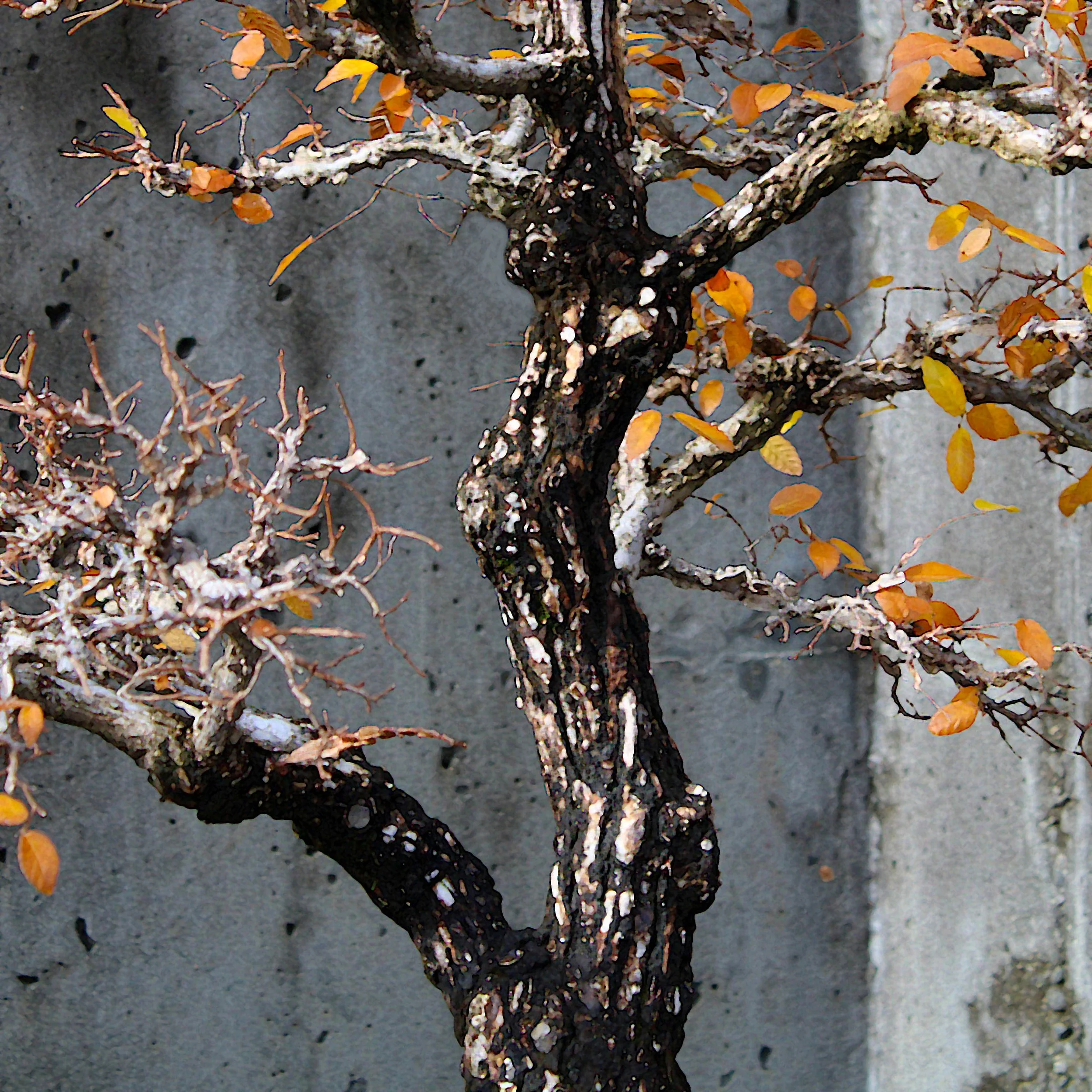
At this juncture, it might be said that the tree has been given a new design. Such a statement is true only to the extent that the new design is understood to be in transition. The design idea is not locked in. In naturalistic bonsai, the design process is both incremental and collaborative. In naturalistic bonsai design the tree’s agency is recognized and respected; the tree is partner to the design process.

Read More
Water and Land

The baldcypress water-and-land planting Mr. Zhao made for us in his 1998 demonstration program was remarkably good right from the time he put it together. It had a great feeling to it, a kind of authenticity that evoked the experience of being in nature, somewhere in the hushed coniferous forest where the sound of water splashing on rock is so persistent it ceases to be noticeable.

Read More
Winged Elm

Kathy knew what to do. She selected two parts of the elm that looked promising and proceeded to air-layer them. One of the two air-layers was successful and Kathy then severed it from the parent tree and planted it in its own pot. She then began to style this new tree to give it a pleasing bonsai shape.

Read More
A Snapshot of Now

That which is thought to be optimal is often enough at odds with reality. We might have a plan that anticipates a certain course of events, but that can never be anything more than a starting point, after which things go the way they go due to circumstance. Mitigating factors in the world of bonsai growth and development include, but are not limited to: Weather conditions, incidence of disease and pest damage, accidents, mistakes, poor timing and availability of labor.

Read More
For Example

A grower needs to recognize a tree's nature and accept it. If it can't be accepted, then maybe that tree isn't the right one to work with. Many a bonsai has come to an ugly end because the person growing it was determined to make the poor tree conform to a preconceived design idea.

Read More
Back to Business

Short of taking the sackcloth and ashes route and resorting to a life of humble debasement as penitence for having lived with eyes closed while whistling a happy tune in the face of the brutal randomness of our existence, there's little for it but to gather ourselves up and get back to business as usual, best we can.

Read More
Red Maple For Bonsai - Part 2

The little red maple trees in the tray landscapes grew and presented a set of options with the multitude of parts they produced. In shaping them I relied entirely on the cut-and-grow method, using no training wire. With a pair of scissors I went about imagining life stories for the landscape trees, making choices as to what parts were lost and what path the canopy branches followed in their unending quest for sunlight.

Read More
Red Maple For Bonsai - Part 1

Three Asian species — Japanese maple (Acer palmatum), trident maple (Acer buergerianum) and Amur maple (Acer ginnala) — are all considered excellent for bonsai use. Why not red maple, which is abundantly available in Western North Carolina? The answers I heard from bonsai people I asked were so emphatically negative I became leery of even asking.

Read More
As the Twig is Bent

Remember the adage that goes: "As the twig is bent so the tree is inclined"? It's an old saying, originally penned by poet Alexander Pope in 1732, and in full goes this way: "'Tis education forms the common mind, Just as the twig is bent the tree's inclined."

Read More
Creating a Tray Landscape

In Creating a Tray Landscape, the latest in our five-part docuseries, Arthur again takes a landscape from inspiration to completion. He creates a new planting featuring a lone weathered hornbeam and woody shrubs assembled with sculptural rocks on a natural stone slab. It makes for a scene evocative of the craggy Southern Appalachian highlands.

Read More
Pest Management - Part 2

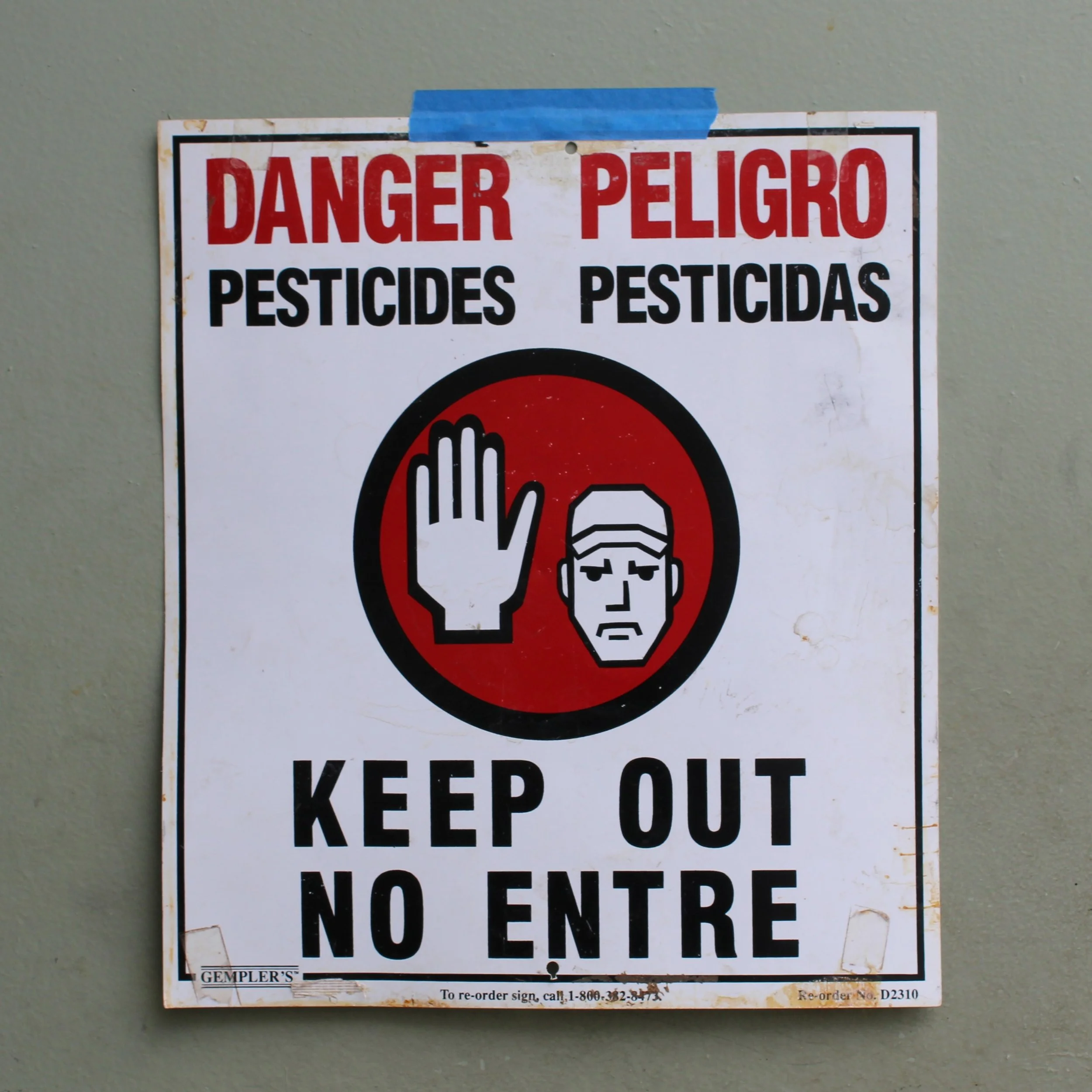
It’s often our tendency when faced with a plant that looks unhealthy to reflexively think, What can I spray on it? One of the greatest dangers inherent in the use of chemical pesticides is that they are relatively cheap and easily available to anyone, regardless of the competence, intelligence or sanity of the buyer. These are dangerous and often lethal substances that can be purchased in quantity at the nearest big-box hardware store.

Read More
Pest Management - Part 1

One truth learned by being observant and studying the ways of nature is that some parts of it line up with human desires and interests and some don't, and this is particularly true as regards farming and gardening. Those living beings in nature that facilitate the human impulse to cultivate plants we refer to as "garden beneficials." Those that work against our objectives we refer to as "garden pests."

Read More