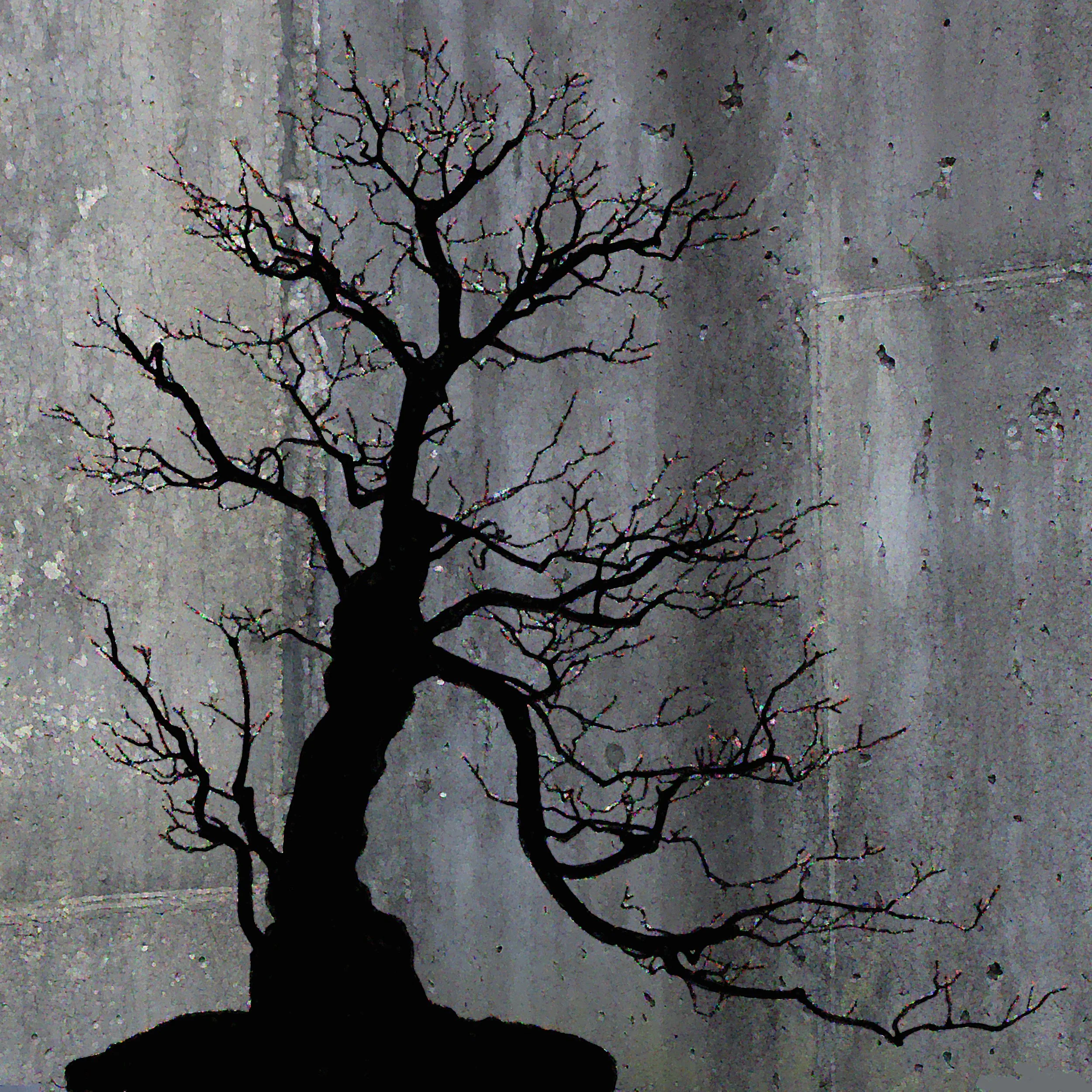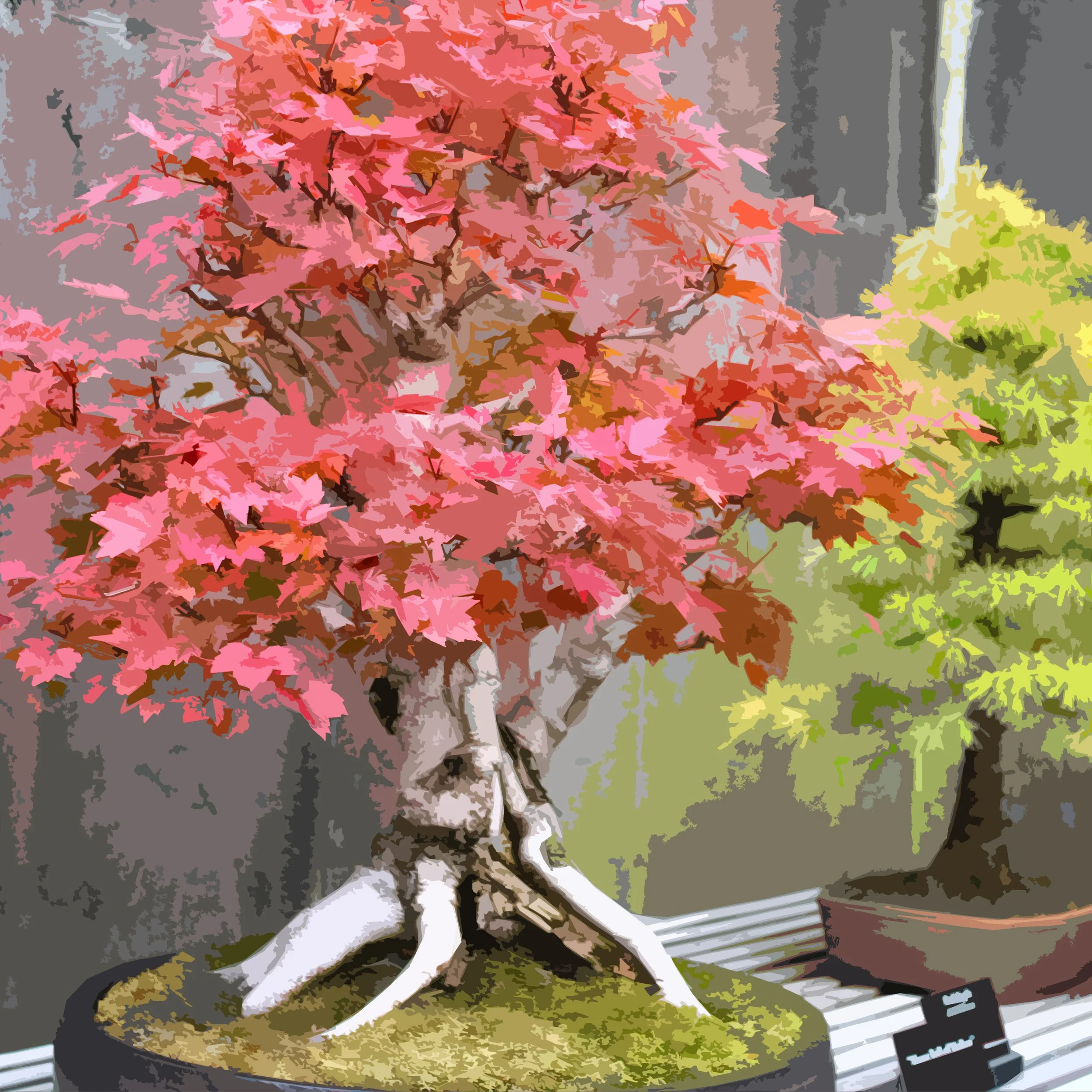
The day before the bonsai were removed, I took my camera and made one last walk through the garden to photograph them. We had forty one specimens on display and I captured an image of each. They are presented to you here, along with a note that I photographed them as I found them. The trees were not cleaned up in any way. What you see as you look at these pictures is just how the garden display would have been if you walked in that last day for one final look.
Read MoreI made contact with Felton on my first visit with the Triangle Bonsai Society in Raleigh, North Carolina, in 1995. He was that group's resident sensei and he would have been about seventy four years old at the time. I had heard his name before that, though, because it seemed all the bonsai people of the day knew Felton.
Read MoreWhen I'd ask people what they meant by wabi-sabi their definitions were vague or squishy, and then one day somebody told me that it was a Japanese thing and most Westerners could never understand it. That sealed it for me. I put wabi-sabi aside in a big box where I kept all that sort of stuff and decided I shouldn't waste time worrying about something I probably could never understand anyway.
Read MoreIt never comes all at once. Photos of autumn color in the landscape, and the memories of autumn’s glories we keep in our minds, typically capture the peak of the season. This is only one phase of autumn, however, a fraction amounting to a few days.
Read MoreCast your mind back to 2020, the year the Covid-19 pandemic changed everything about the way we live. The North Carolina Arboretum, like every other public institution in the world, had to react and adapt to the strange new reality of people avoiding social contact.
Read MoreEven after a prolonged meditation on how to go about rebuilding this landscape, at the start of the demonstration I still didn't have a clear vision of how the composition would come together. I had a vague idea of what might happen, but that little bit of a clue proved to be incorrect.
Read MoreIf you plan on doing work that requires any real thought, any consideration of possibilities, forget it, a live demonstration is the worst way to go. Doing creative bonsai work by the clock is not a good idea. It might well be that most decisions in life get made with one eye on the clock, and maybe a lot of those decisions would never get made at all if it wasn’t for the clock, but creativity shouldn’t be constrained that way.
Read MoreYou could never do that. You'd go out of your mind... but that's the point, right? Out of your mind. Leave your mind behind, leave thinking behind, live in the moment and be here now. Yeah, listen to you. What's the secret of life oh great guru?
Read MoreBut beyond being an artist Zhao was also proof of something, a living example of a fact you thought must be true but couldn't prove. There had to be multiple ways of going about it — had to be. If the whole little tree business was truly an art form then there couldn't be just one right way. Art doesn't work like that.
Read MoreThe baldcypress water-and-land planting Mr. Zhao made for us in his 1998 demonstration program was remarkably good right from the time he put it together. It had a great feeling to it, a kind of authenticity that evoked the experience of being in nature, somewhere in the hushed coniferous forest where the sound of water splashing on rock is so persistent it ceases to be noticeable.
Read MoreIn America Mr. Zhao was best known in those days for one of his tray landscape plantings done in the water-and-land penjing style. The landscape depicted a scene wherein horses are resting in the shade of flowering trees, with picturesque boulders strewn about and a stream nearby. This penjing was titled: Painting With Eight Horses.
Read More