Last Call

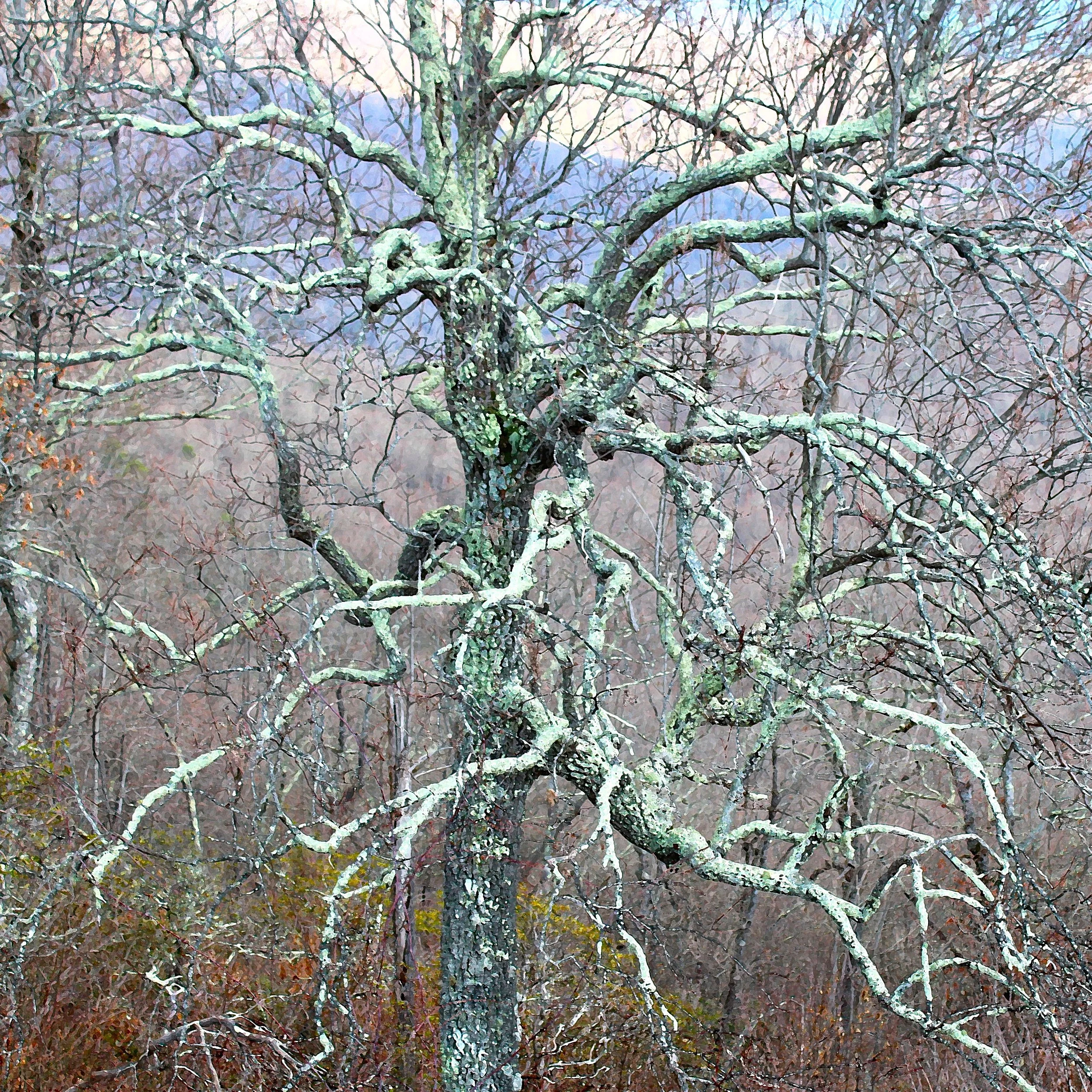
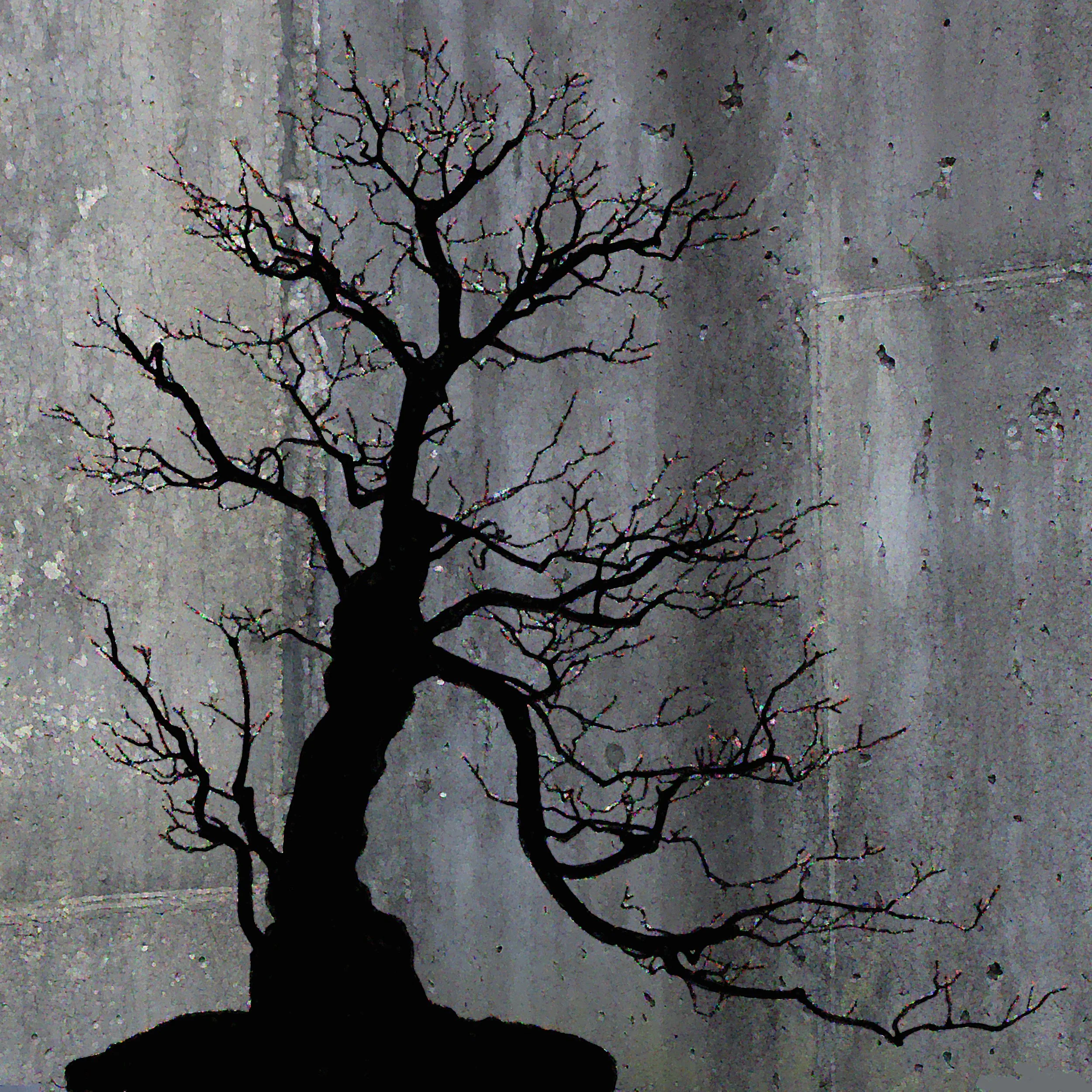
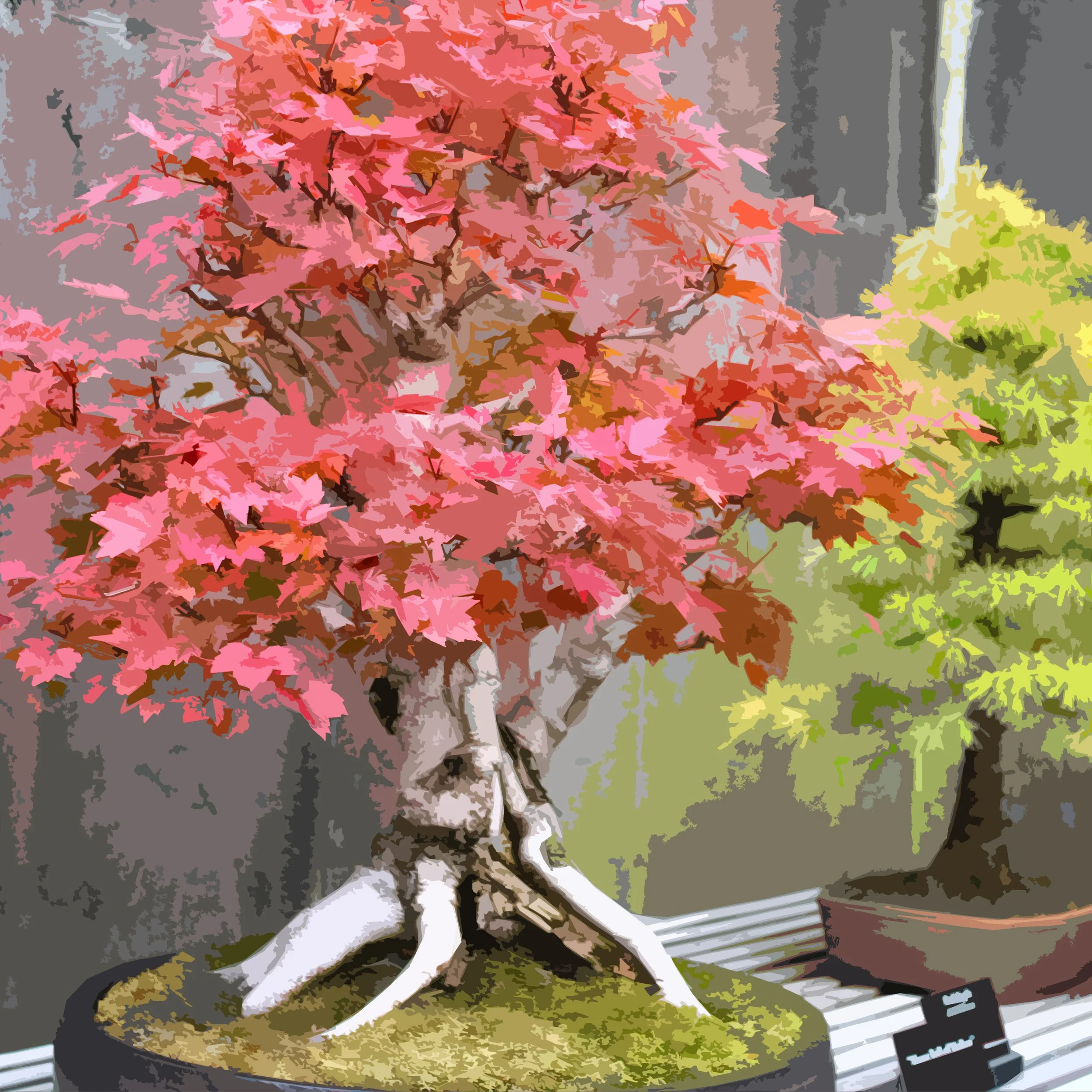
The day before the bonsai were removed, I took my camera and made one last walk through the garden to photograph them. We had forty one specimens on display and I captured an image of each. They are presented to you here, along with a note that I photographed them as I found them. The trees were not cleaned up in any way. What you see as you look at these pictures is just how the garden display would have been if you walked in that last day for one final look.

Read More
Felton - Part 1

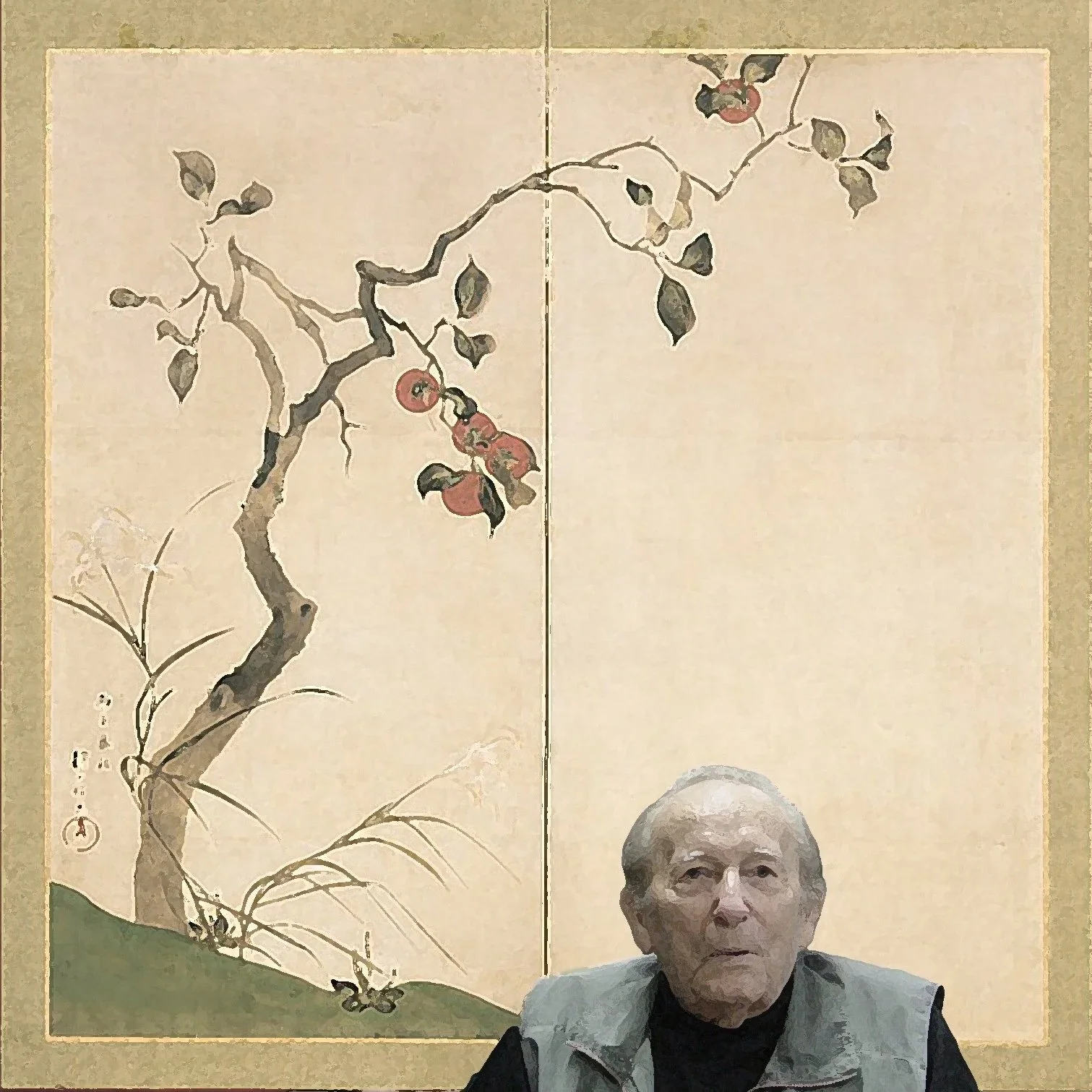
I made contact with Felton on my first visit with the Triangle Bonsai Society in Raleigh, North Carolina, in 1995. He was that group's resident sensei and he would have been about seventy four years old at the time. I had heard his name before that, though, because it seemed all the bonsai people of the day knew Felton.

Read More
Wabi-Sabi, Maybe?

When I'd ask people what they meant by wabi-sabi their definitions were vague or squishy, and then one day somebody told me that it was a Japanese thing and most Westerners could never understand it. That sealed it for me. I put wabi-sabi aside in a big box where I kept all that sort of stuff and decided I shouldn't waste time worrying about something I probably could never understand anyway.

Read More
It's Showtime!

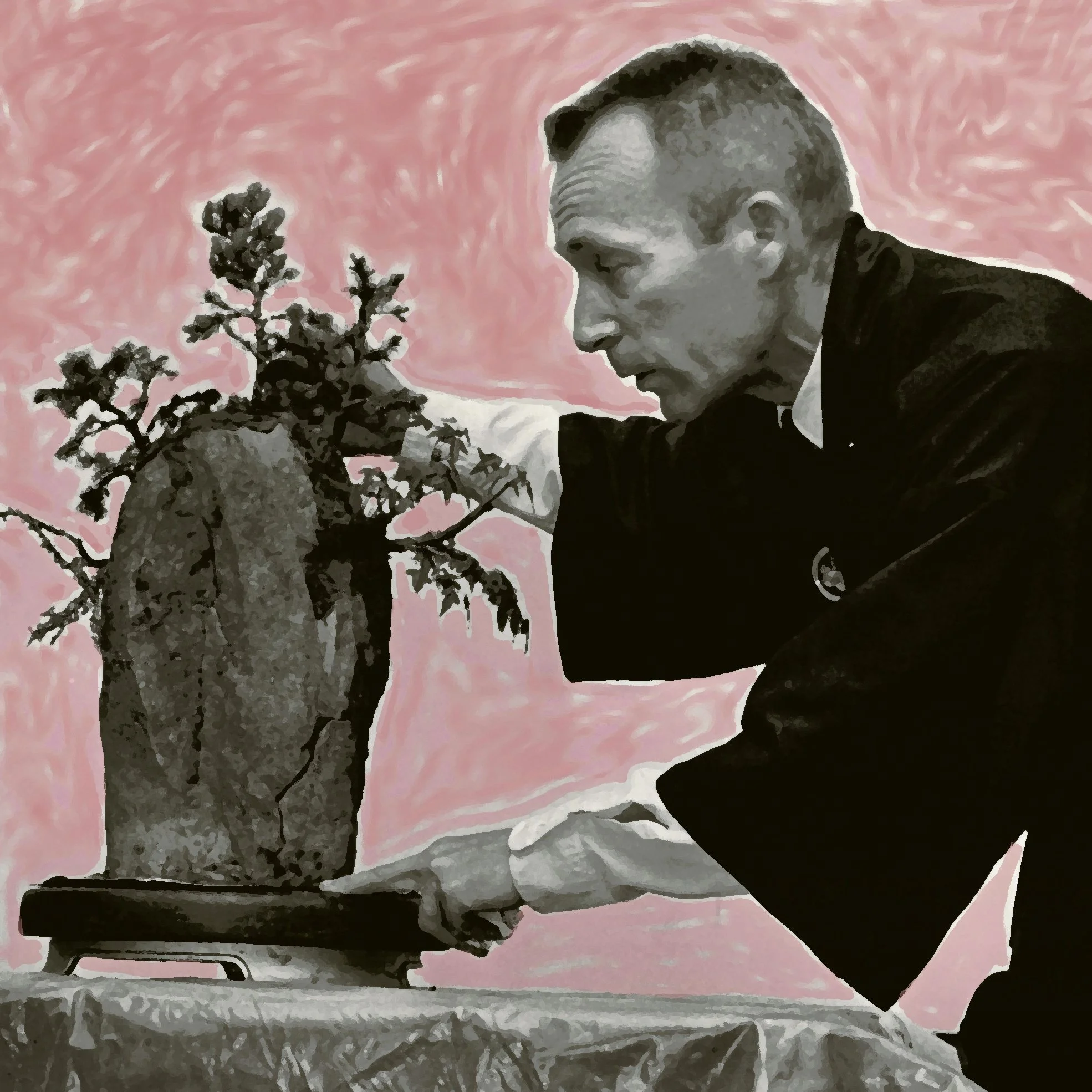
If you plan on doing work that requires any real thought, any consideration of possibilities, forget it, a live demonstration is the worst way to go. Doing creative bonsai work by the clock is not a good idea. It might well be that most decisions in life get made with one eye on the clock, and maybe a lot of those decisions would never get made at all if it wasn’t for the clock, but creativity shouldn’t be constrained that way.

Read More
Water and Land

The baldcypress water-and-land planting Mr. Zhao made for us in his 1998 demonstration program was remarkably good right from the time he put it together. It had a great feeling to it, a kind of authenticity that evoked the experience of being in nature, somewhere in the hushed coniferous forest where the sound of water splashing on rock is so persistent it ceases to be noticeable.

Read More
Finding Form

Right from the beginning, the redcedar that came to be called Crazy Horse was thought the better of the two, its claim to superiority based on having a fantastic display of deadwood in its trunk. The other redcedar also had an old trunk with deadwood, yet it lacked the extravagant flair of its counterpart. The trunk of this lesser tree was long, thin and scraggly in appearance.

Read More
Show Me

As the bonsai collection began to gradually increase and improve, it attracted ever more attention from the public. Before long, when visitors wandered through the Support Facility workspace, they would find me or one of the bonsai volunteers working on little trees and this activity always pulled people in. The volunteers and I would energetically engage the visitors, talking up the bonsai program and eagerly answering the many questions people had.

Read More
What Does It All Meme?

Memes are units of cultural information that are spread by imitation. In this way of thinking, language, writing, reading, art, music, dance, sports and exercise are all memes, as are literally countless other human activities not having to do with biological survival. Eating is not a meme, but farming, cooking and using utensils all are. If it has to do with culture, not biology, it's made of memes.

Read More
Winged Elm

Kathy knew what to do. She selected two parts of the elm that looked promising and proceeded to air-layer them. One of the two air-layers was successful and Kathy then severed it from the parent tree and planted it in its own pot. She then began to style this new tree to give it a pleasing bonsai shape.

Read More
Hemlock Landscape

Tray landscapes give the viewer a helping hand by providing a little more information. The inclusion of multiple trees, shrubs, stones, and other components creates a more fully described image. This makes it easier for the viewer to do what they are supposed to do when contemplating any bonsai, which is to shrink themselves down to the correct size and step into the picture.

Read More
A Snapshot of Now

That which is thought to be optimal is often enough at odds with reality. We might have a plan that anticipates a certain course of events, but that can never be anything more than a starting point, after which things go the way they go due to circumstance. Mitigating factors in the world of bonsai growth and development include, but are not limited to: Weather conditions, incidence of disease and pest damage, accidents, mistakes, poor timing and availability of labor.

Read More