Last Call
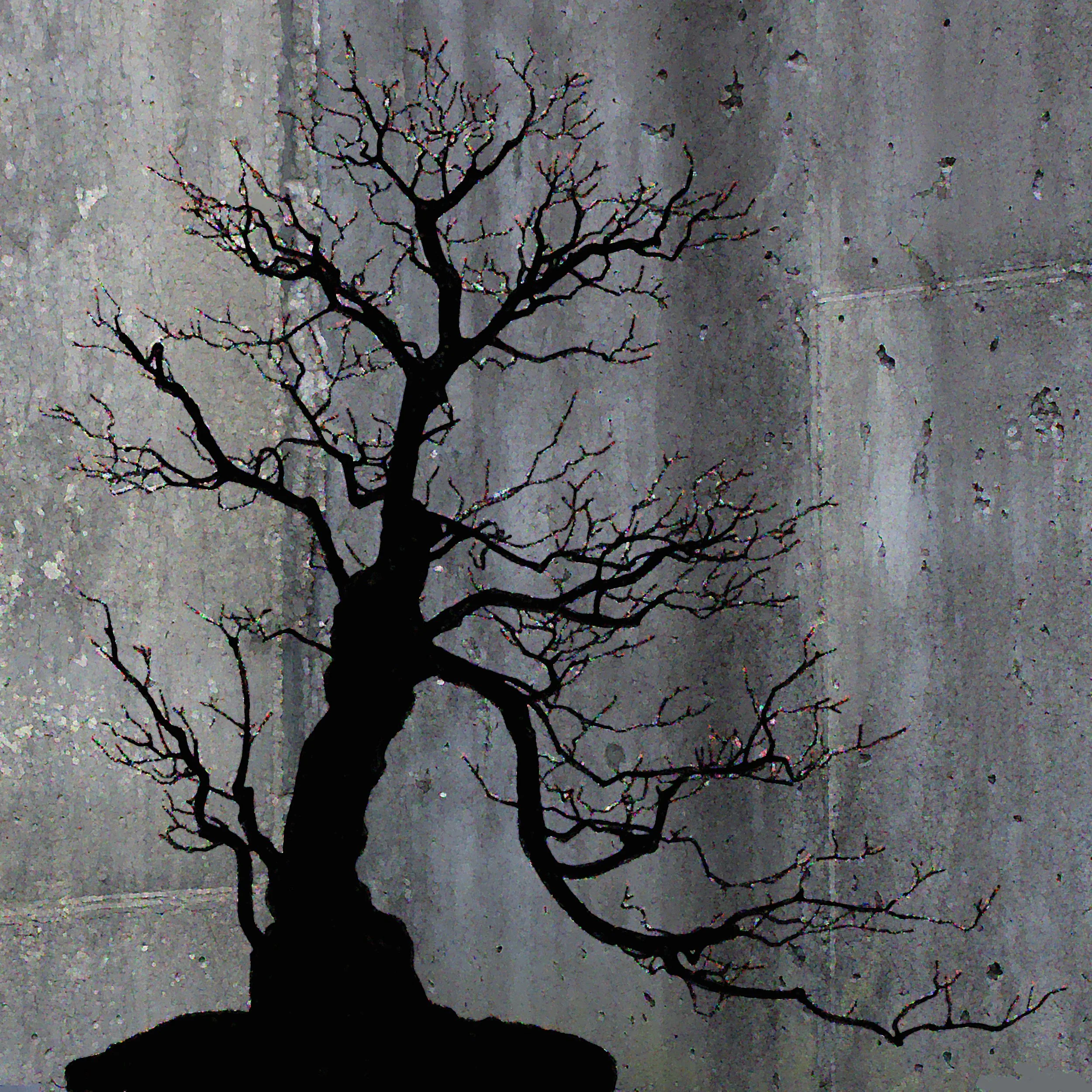
The bonsai garden is a little naked now. Bonsai assistant Blaire and I removed all the bonsai that were on display and placed them into winter storage, either in the hoop house that’s now covered with white poly or in the big walk-in refrigerator in the basement of the pavilion. The garden’s display benches are currently empty and that’s always a sad sight. We have a small display of tropical bonsai now set up for guests to admire in the greenhouse at the Baker Exhibit Center, so little trees are still available to anyone who comes to the Arboretum. The big show, however, is on hiatus, and will be until World Bonsai Day on the second Saturday in May.
The day before the bonsai were removed, I took my camera and made one last walk through the garden to photograph them. We had forty one specimens on display and I captured an image of each. They are presented to you here, along with a note that I photographed them as I found them. The trees were not cleaned up in any way. What you see as you look at these pictures is just how the garden display would have been if you walked in that last day for one final look.
It’s the end of the season and everybody’s ready for a rest. Soon we’ll begin the long preparations for another turn of the wheel.
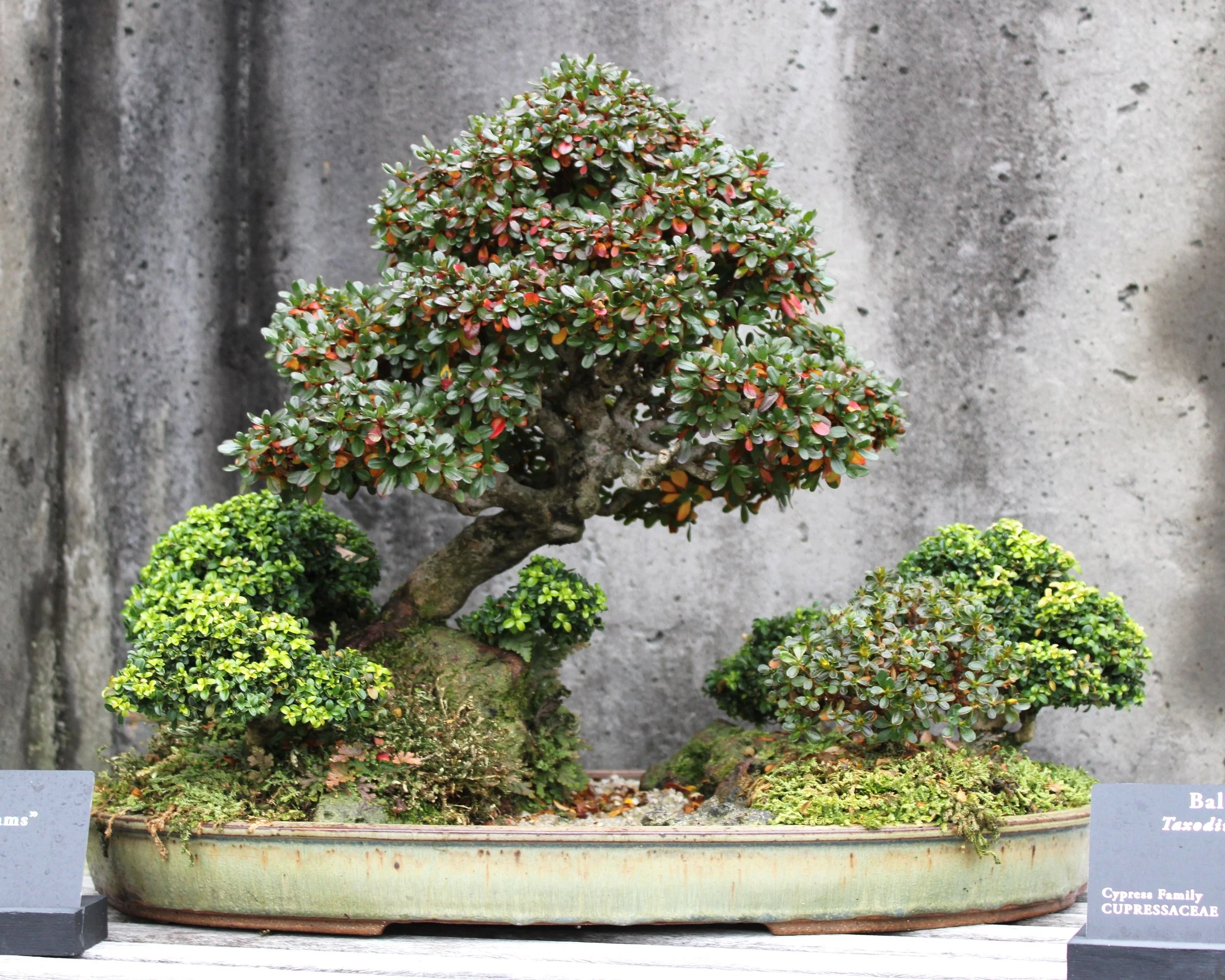
“River of Dreams” planting, featuring dwarf azalea and dwarf boxwood, container by Sara Rayner
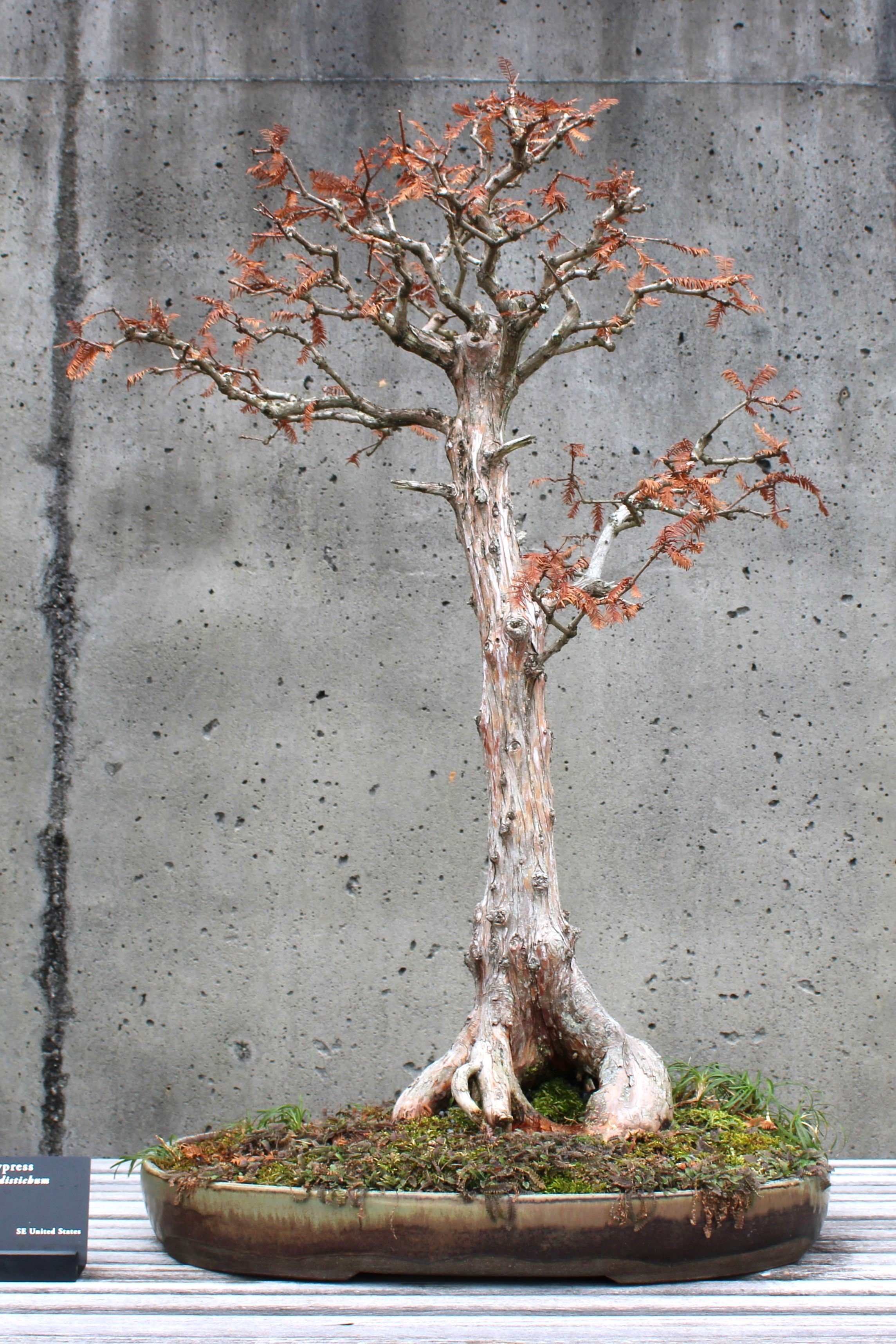
Baldcypress, container by Sara Rayner
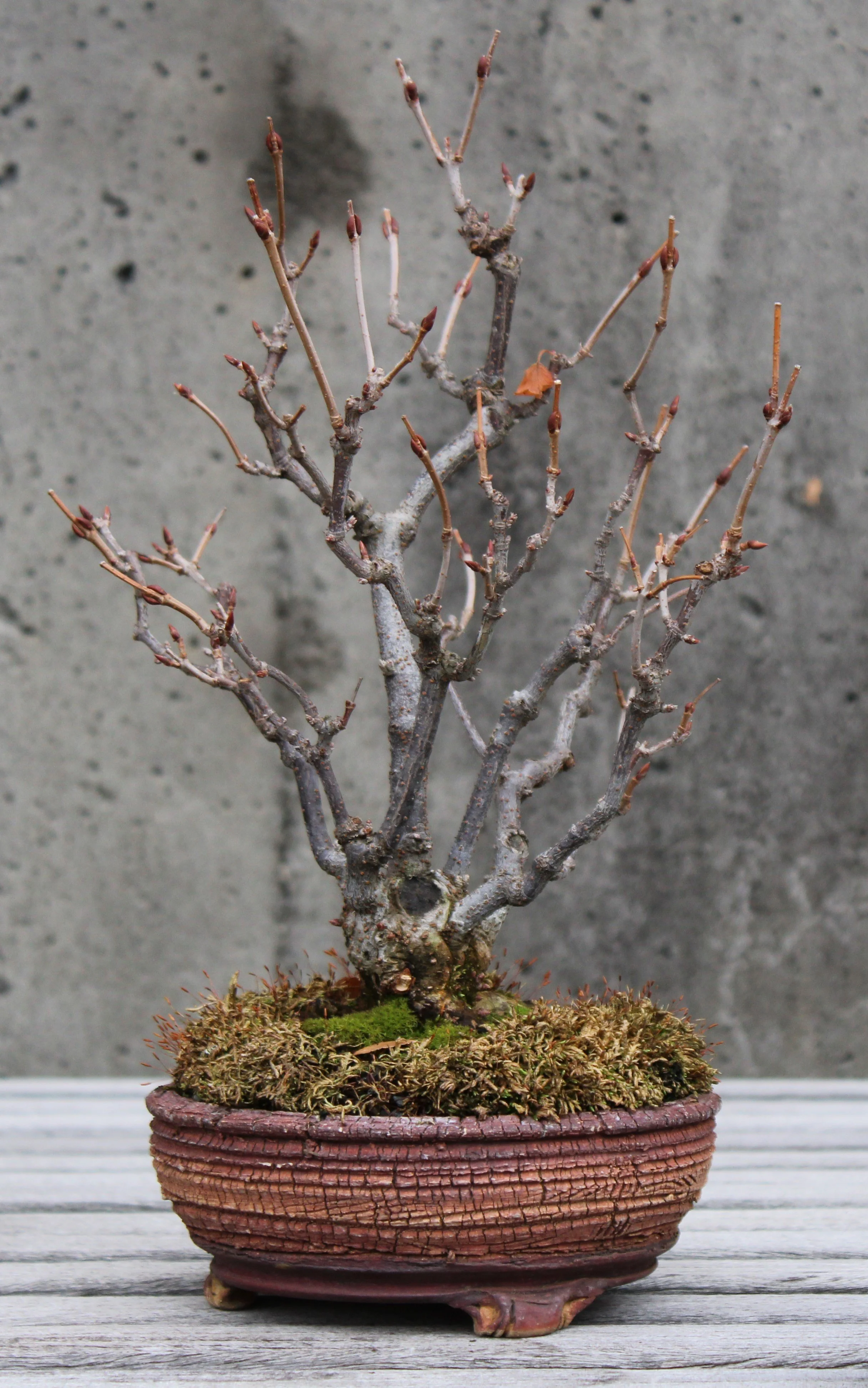
Arrow-wood viburnum, container by Richard Boggs
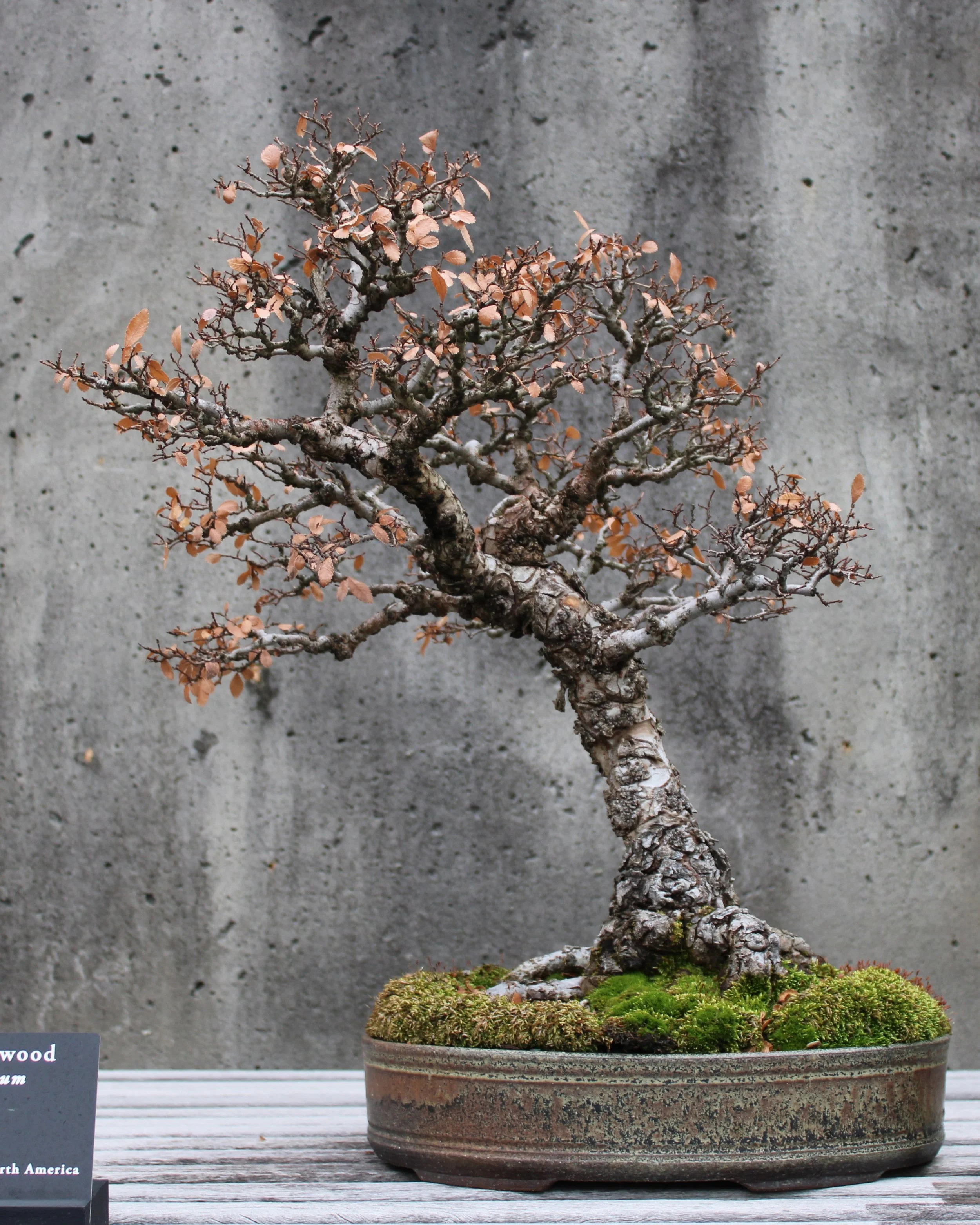
Chinese elm, container by Byron Myrick
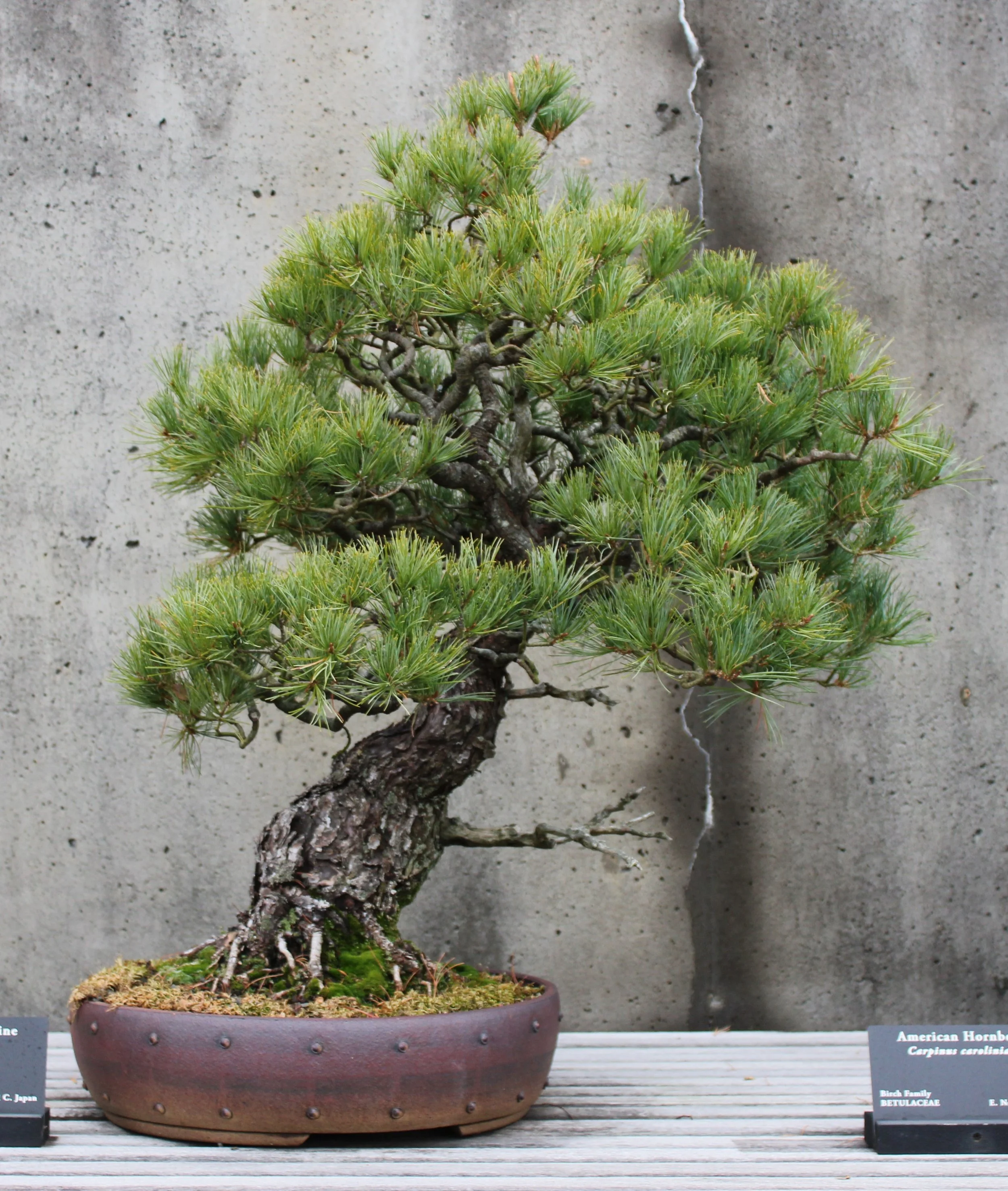
Japanese white pine, container by Robert Wallace
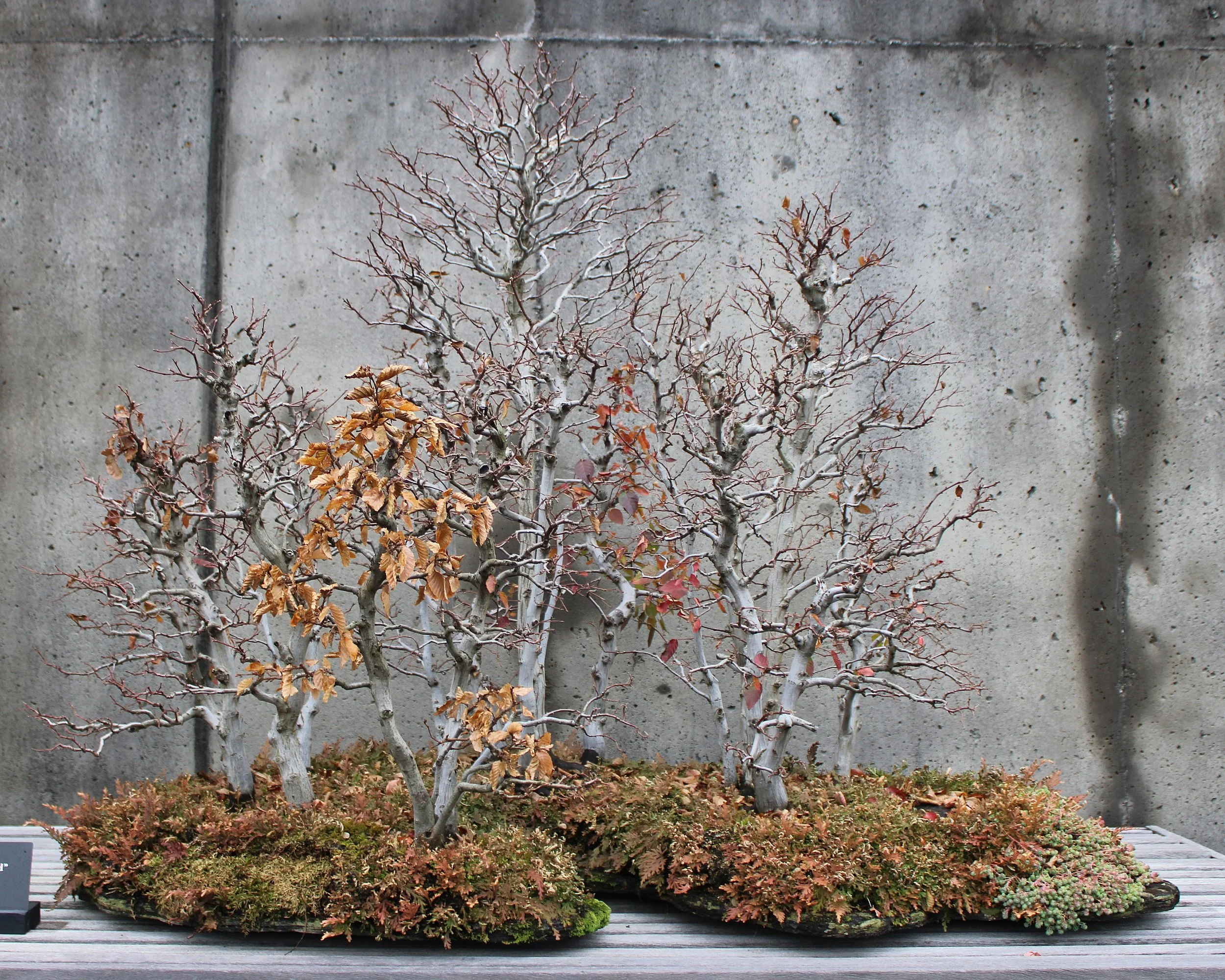
“Yoshimura Island” planting, American hornbeam, planted on a plywood slab
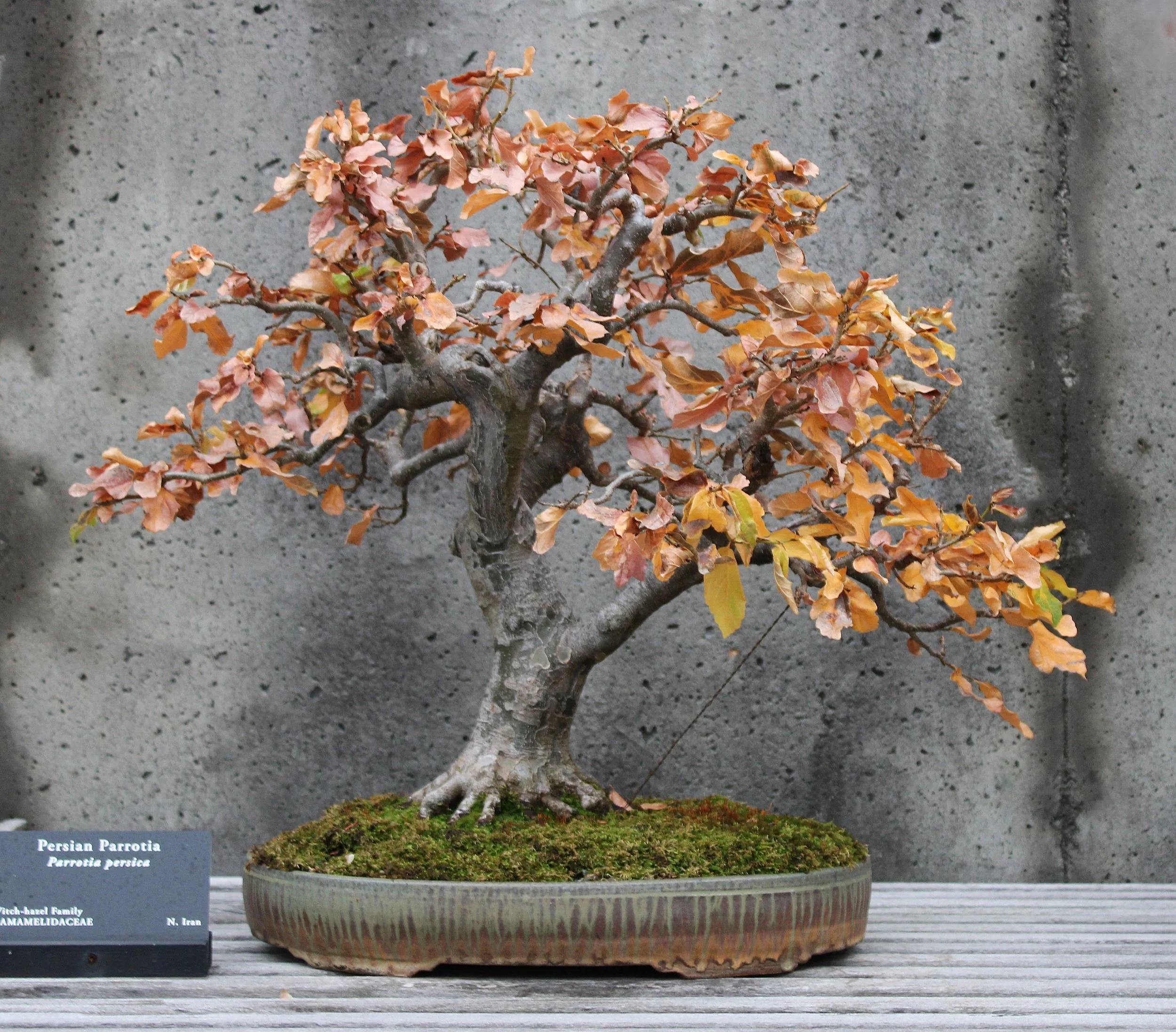
Parrotia, container by Byron Myrick
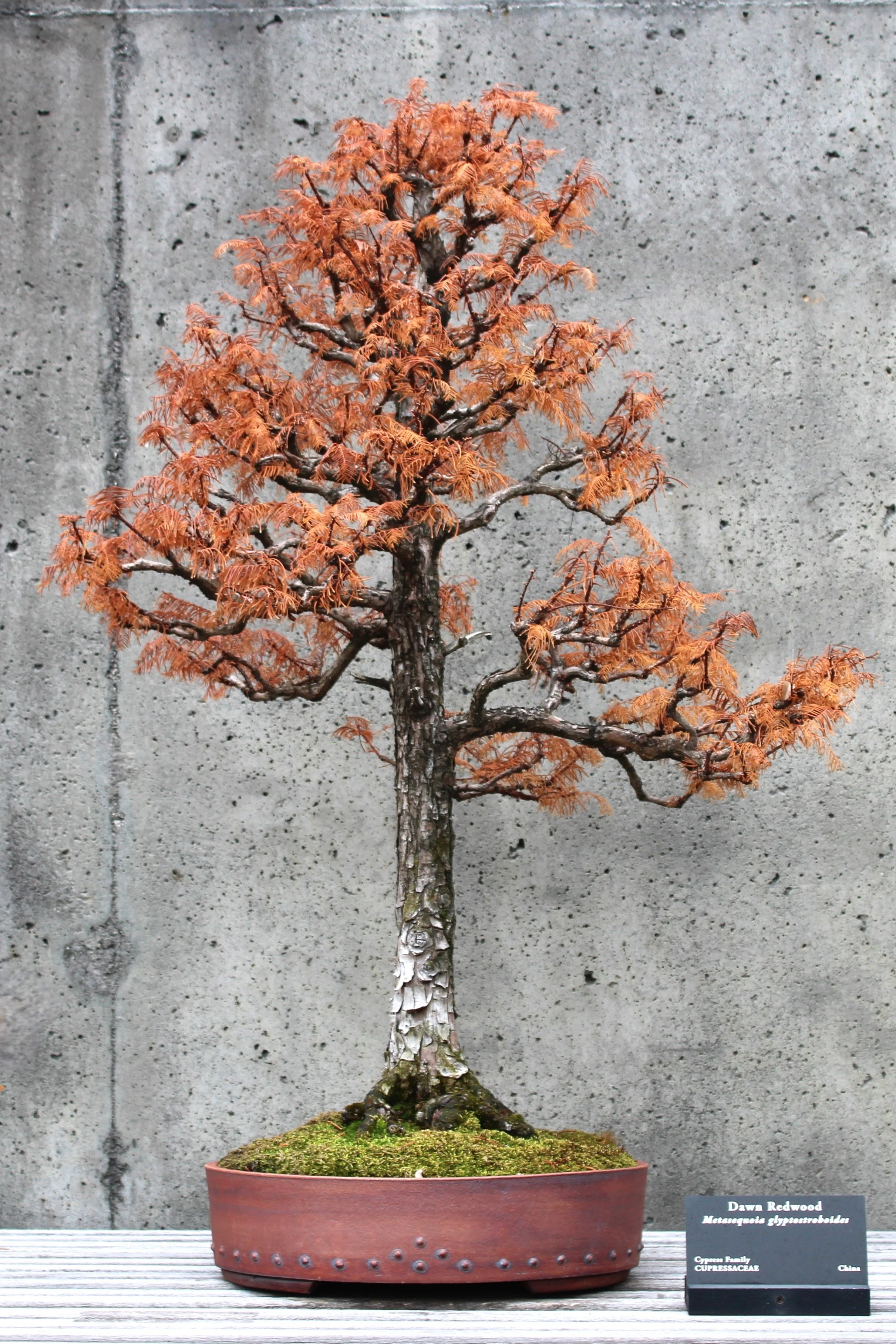
Dawn redwood, container by Robert Wallace
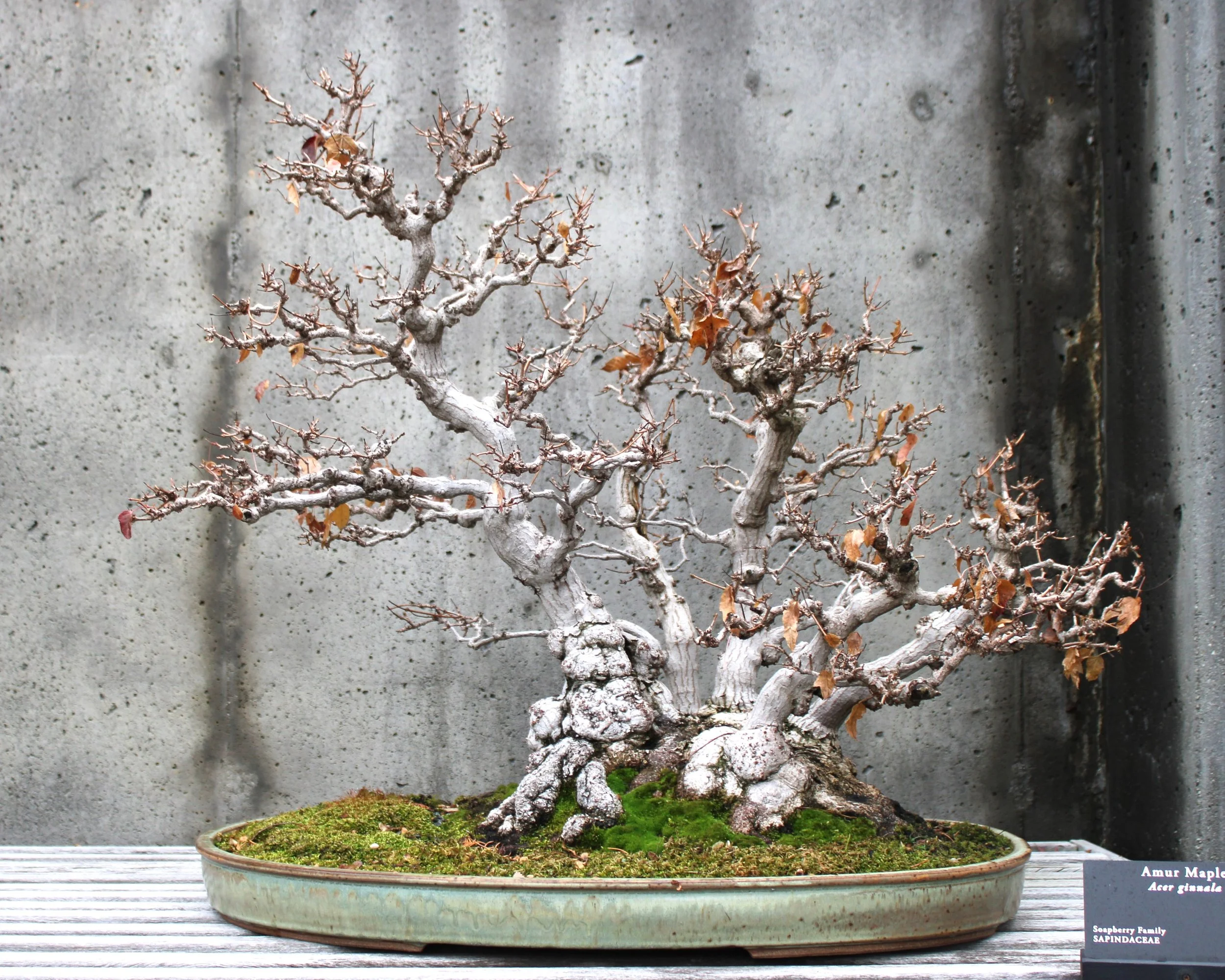
Amur maple, container by Sara Rayner
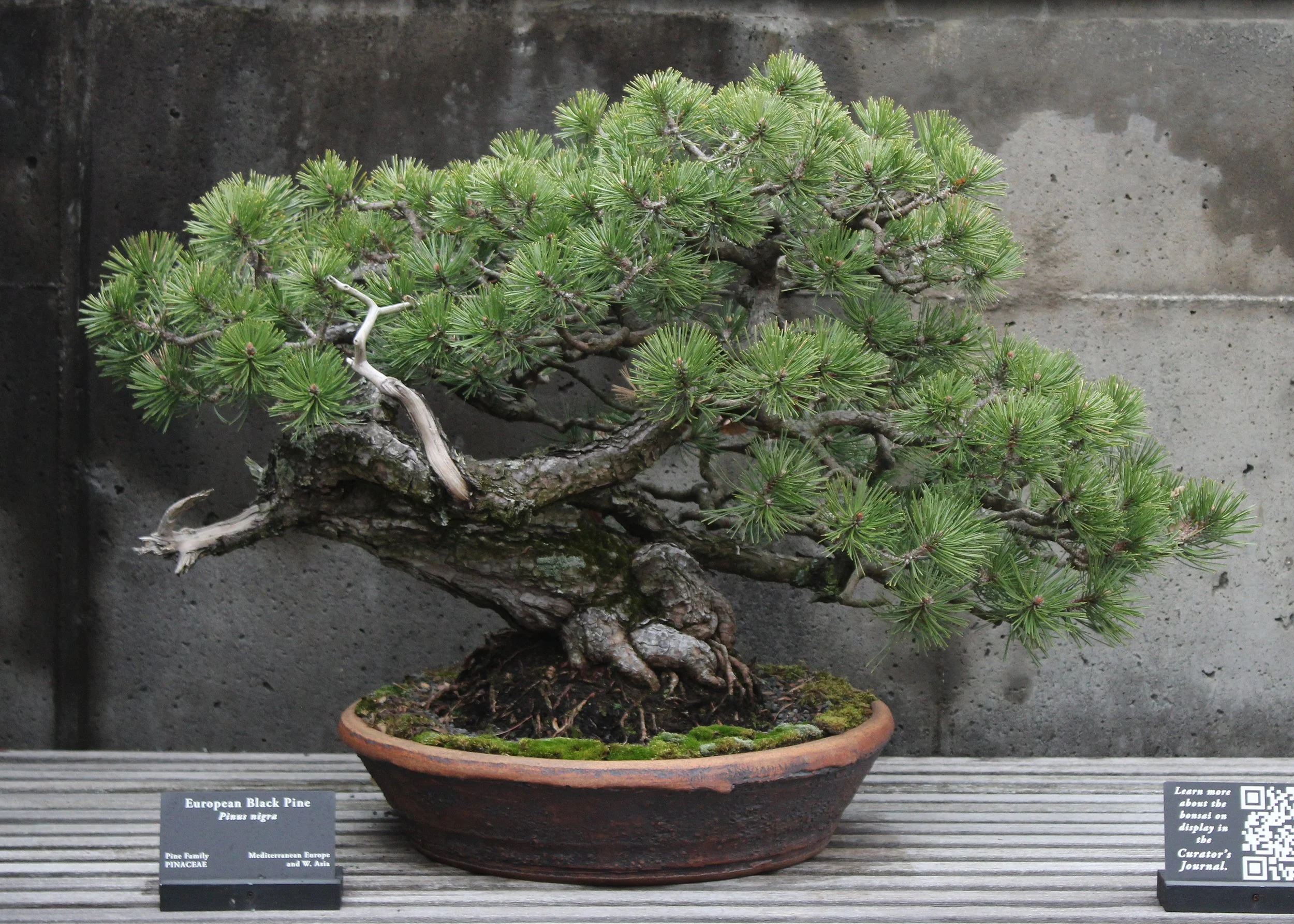
European black pine, container by Sara Rayner
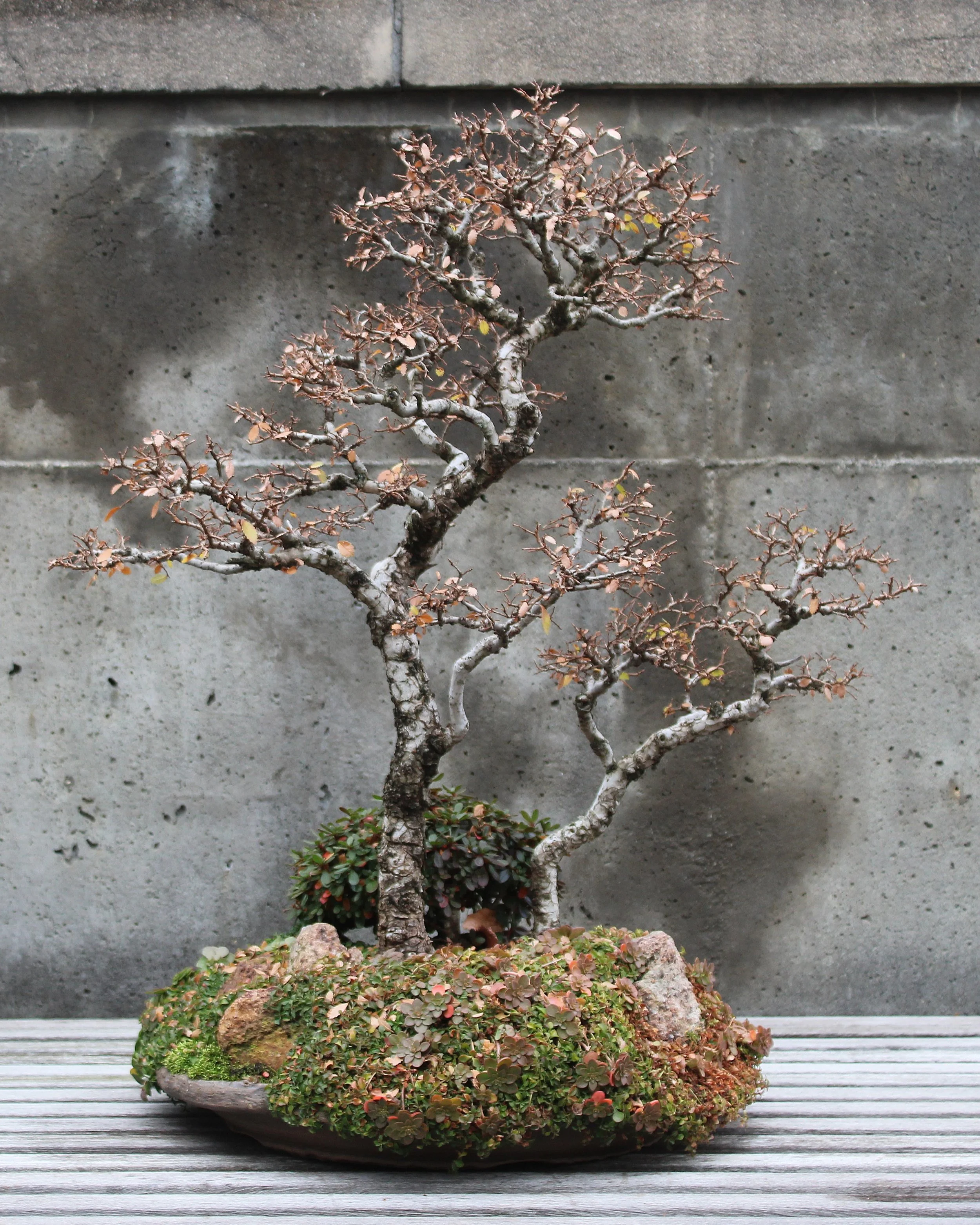
Chinese elm and dwarf azalea, container by Tom Dimig
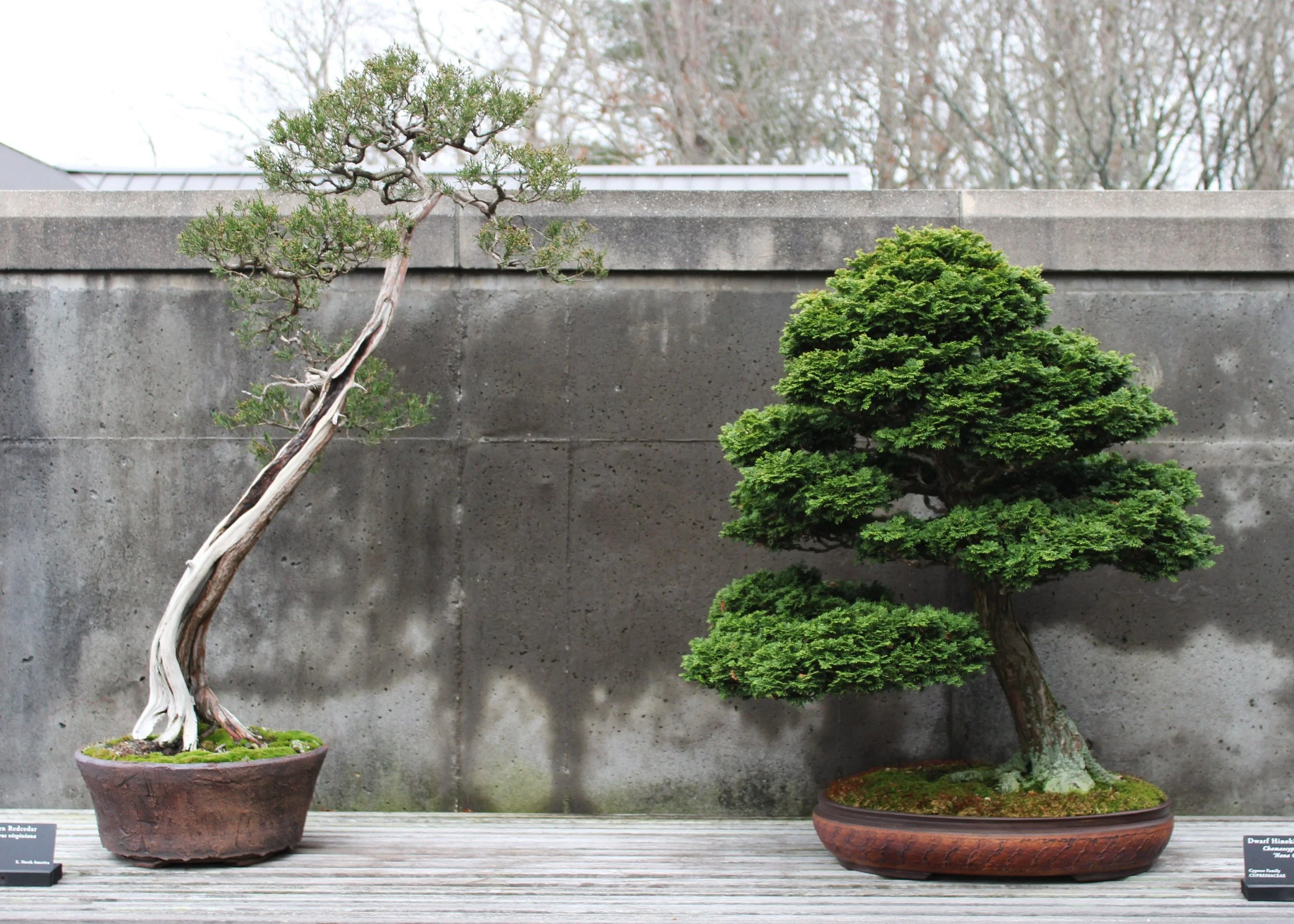
Left: eastern redcedar, container by Preston Tolbert; Right: hinoki falsecypress, container by Sara Rayner

“Aunt Martha’s Magic Garden” planting, Chinese container
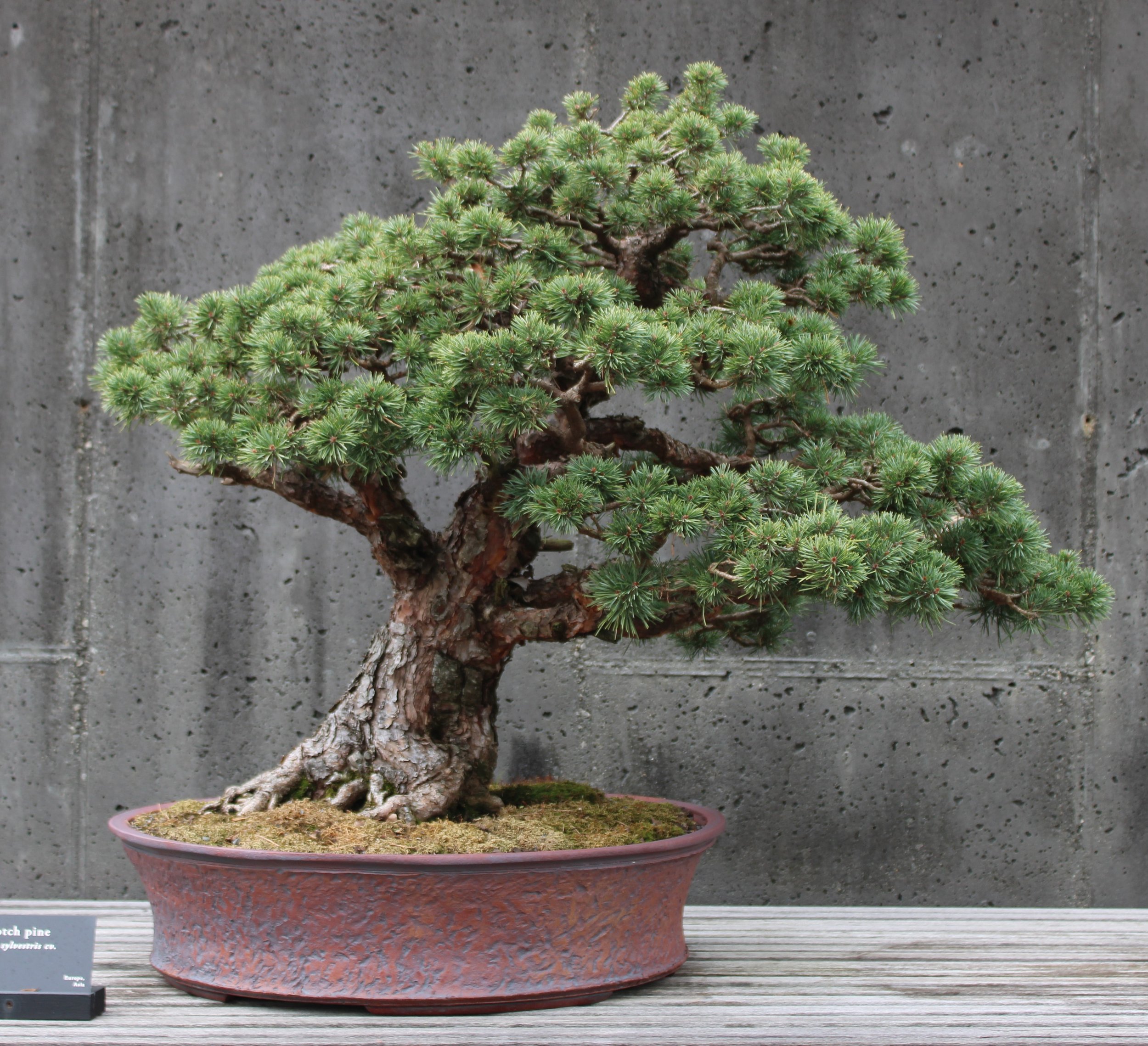
Dwarf Scots pine, container by Robert Wallace
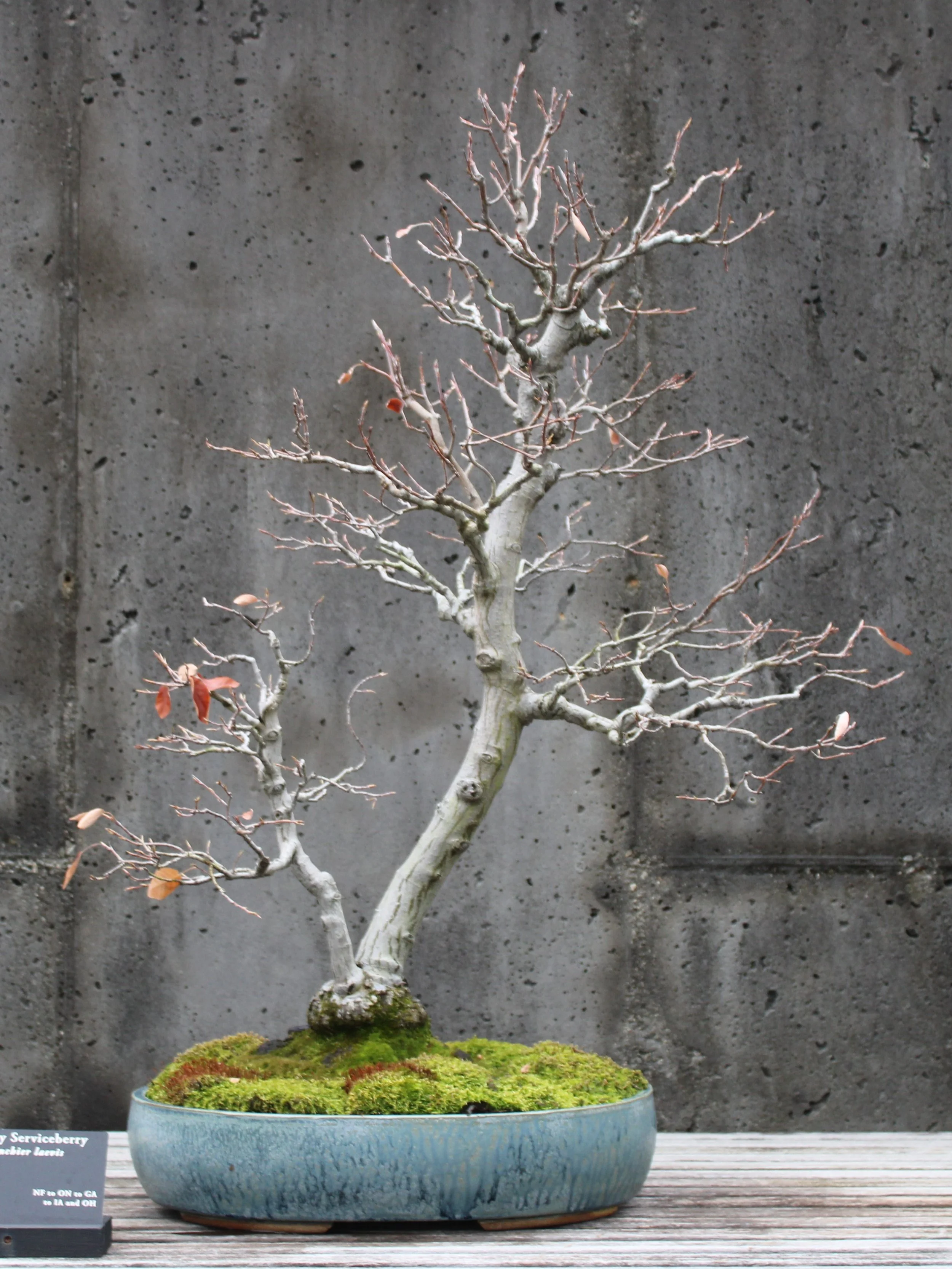
Alleghany serviceberry, container by Robert Wallace
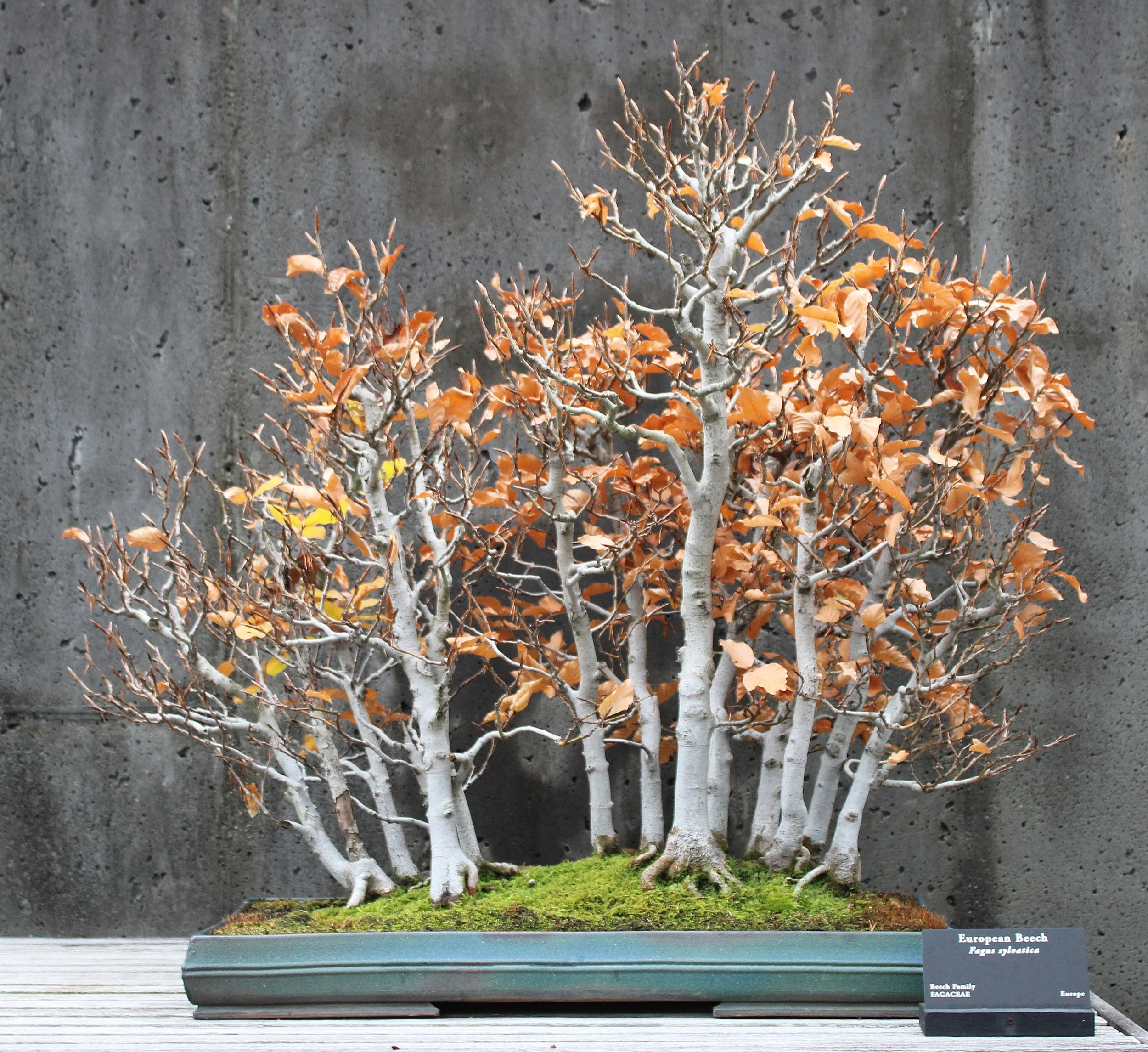
European beech, container by Richard Gualandi
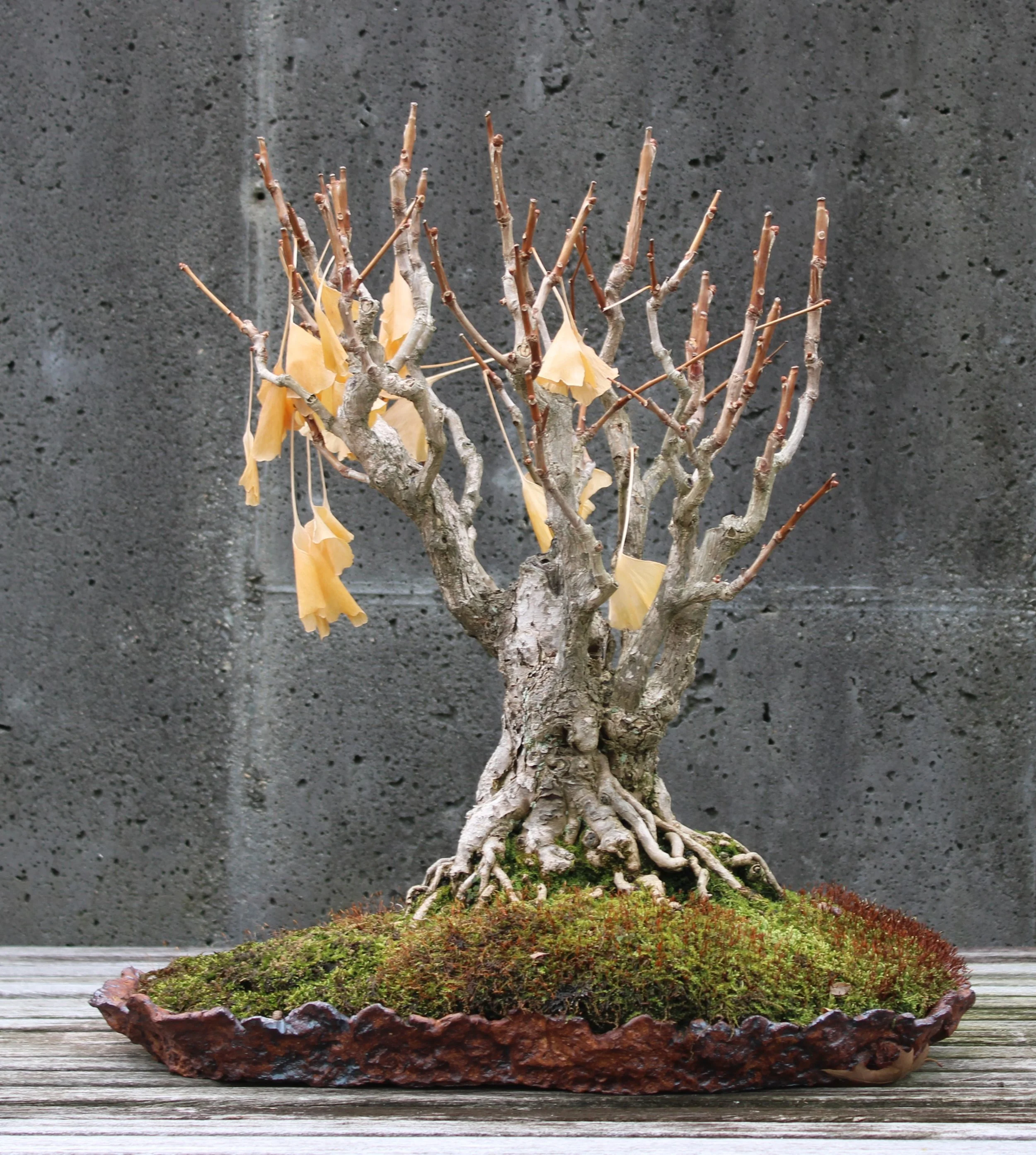
Ginkgo, container by Robert Wallace
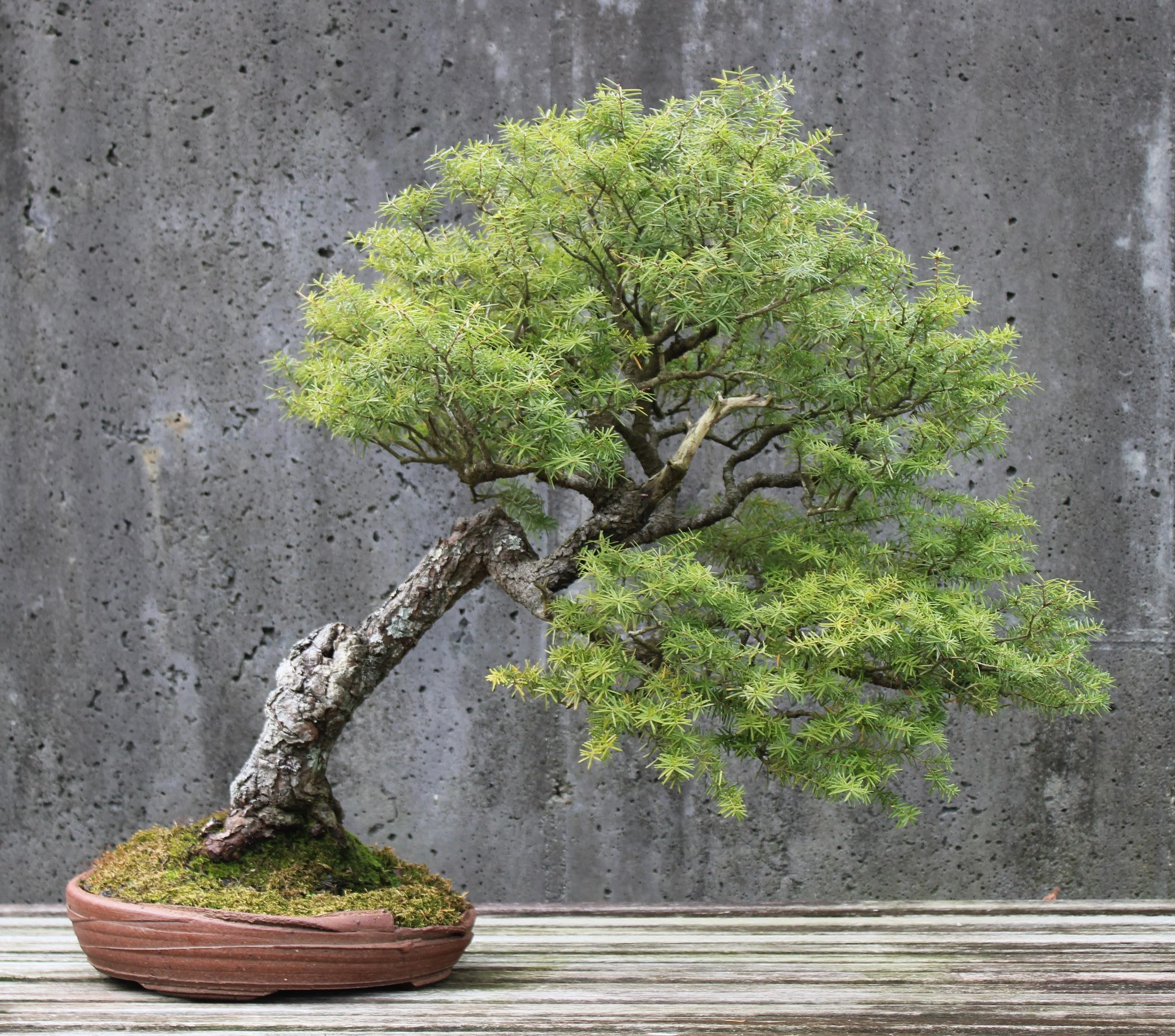
Carolina hemlock, container by Brett Thomas
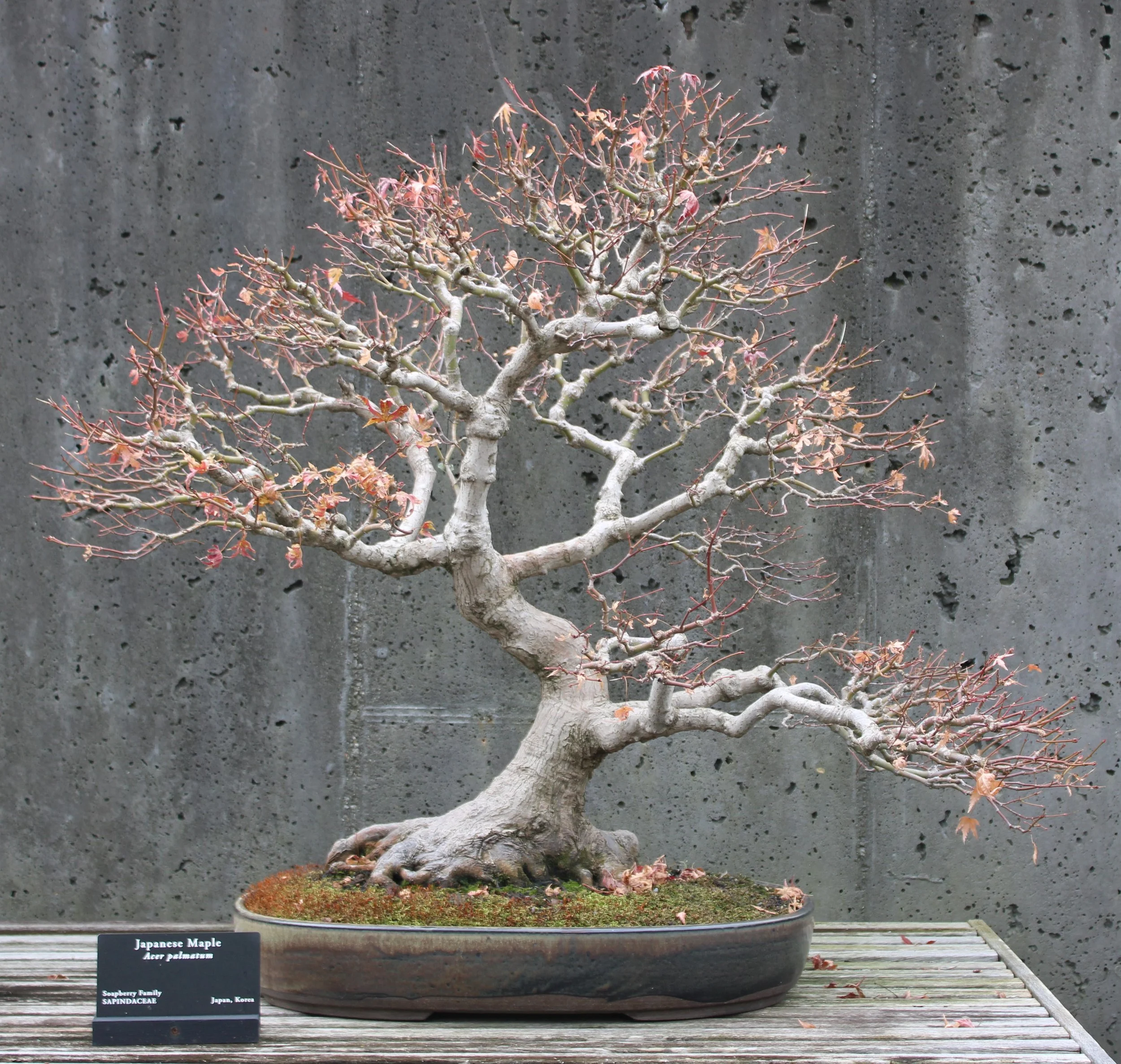
Japanese maple, container by Sara Rayner
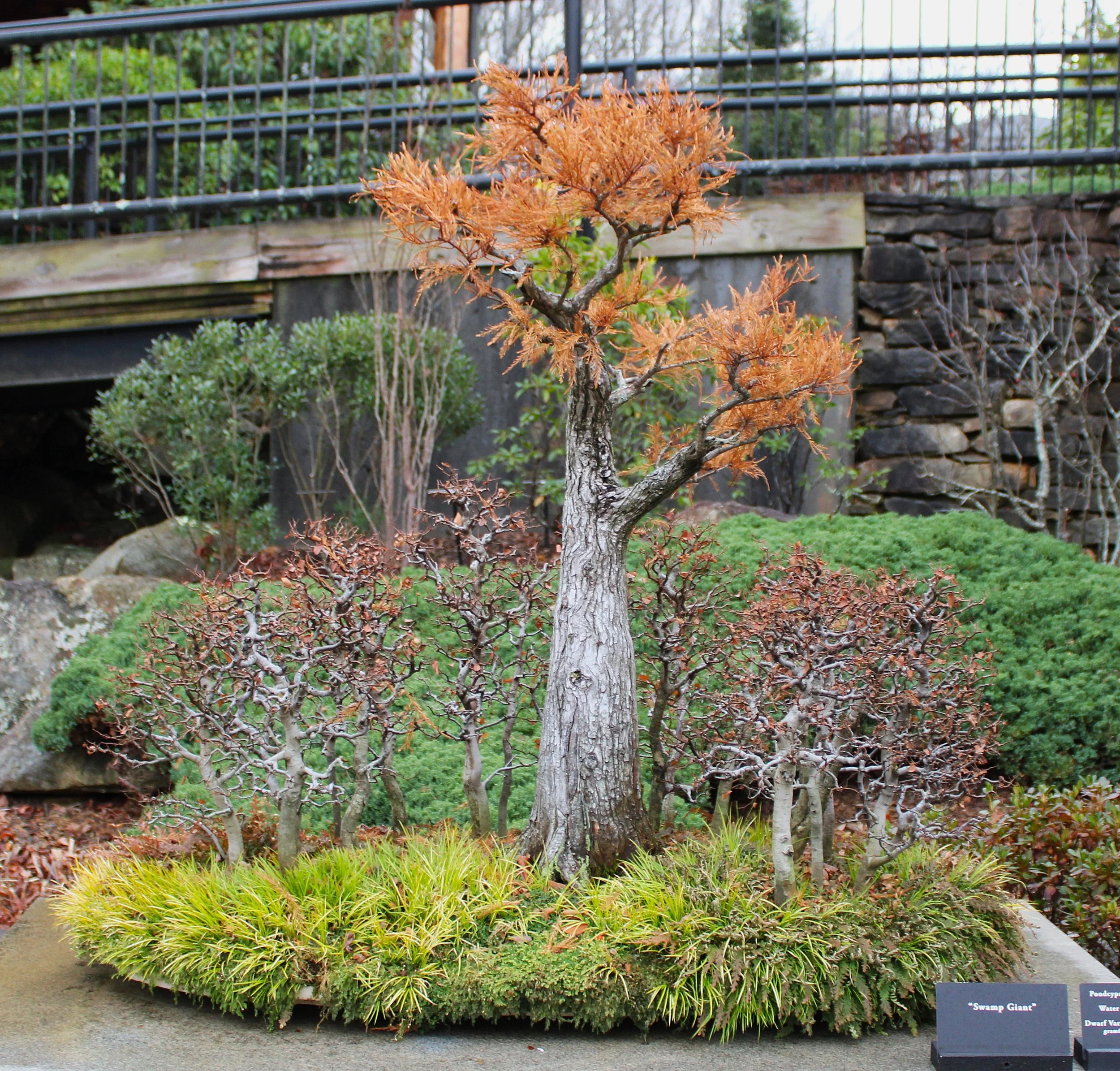
“Swamp Giant” planting, pondcypress and water elm, Chinese marble slab
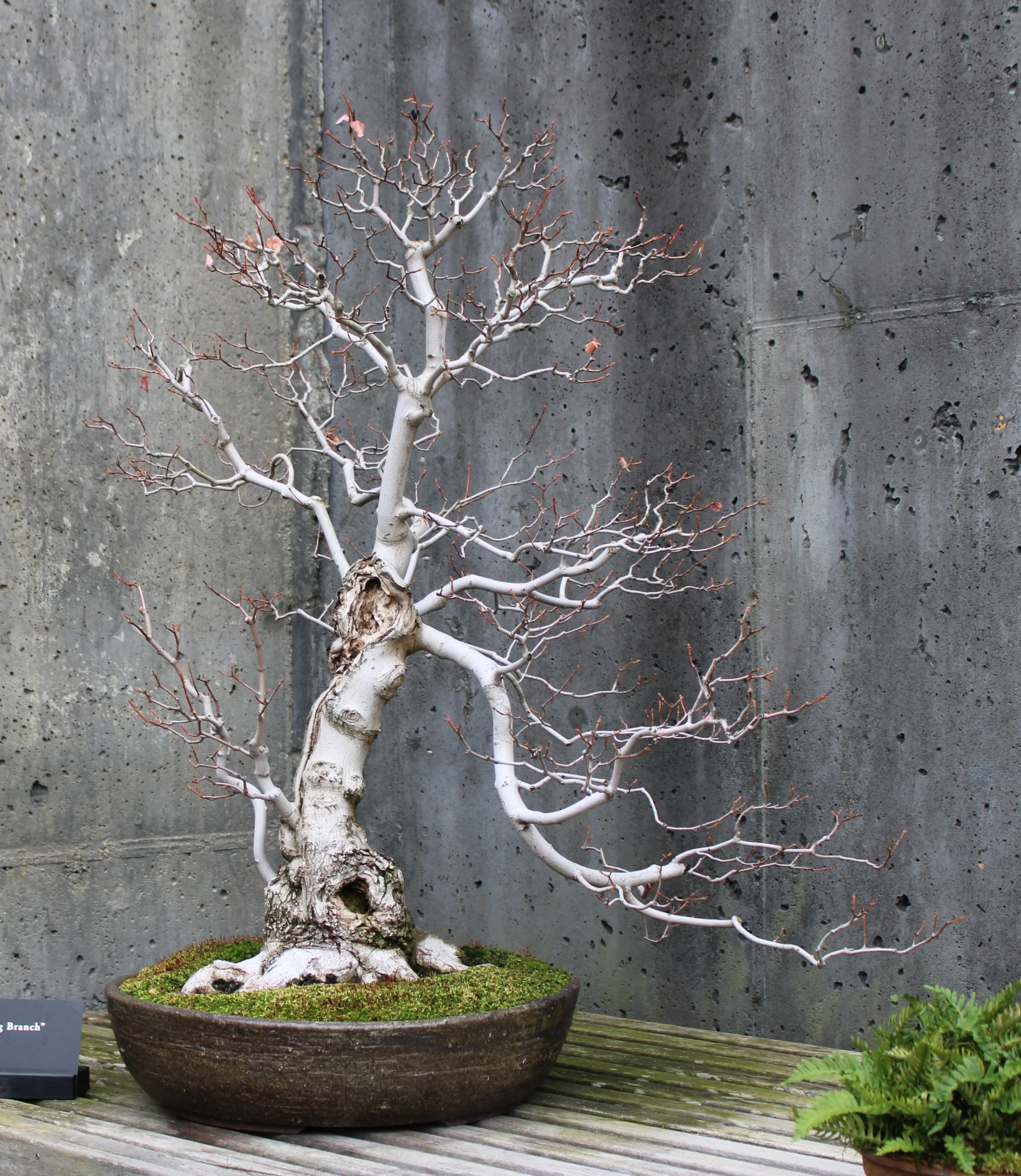
“Long Branch” red maple, container by Dale Cochoy
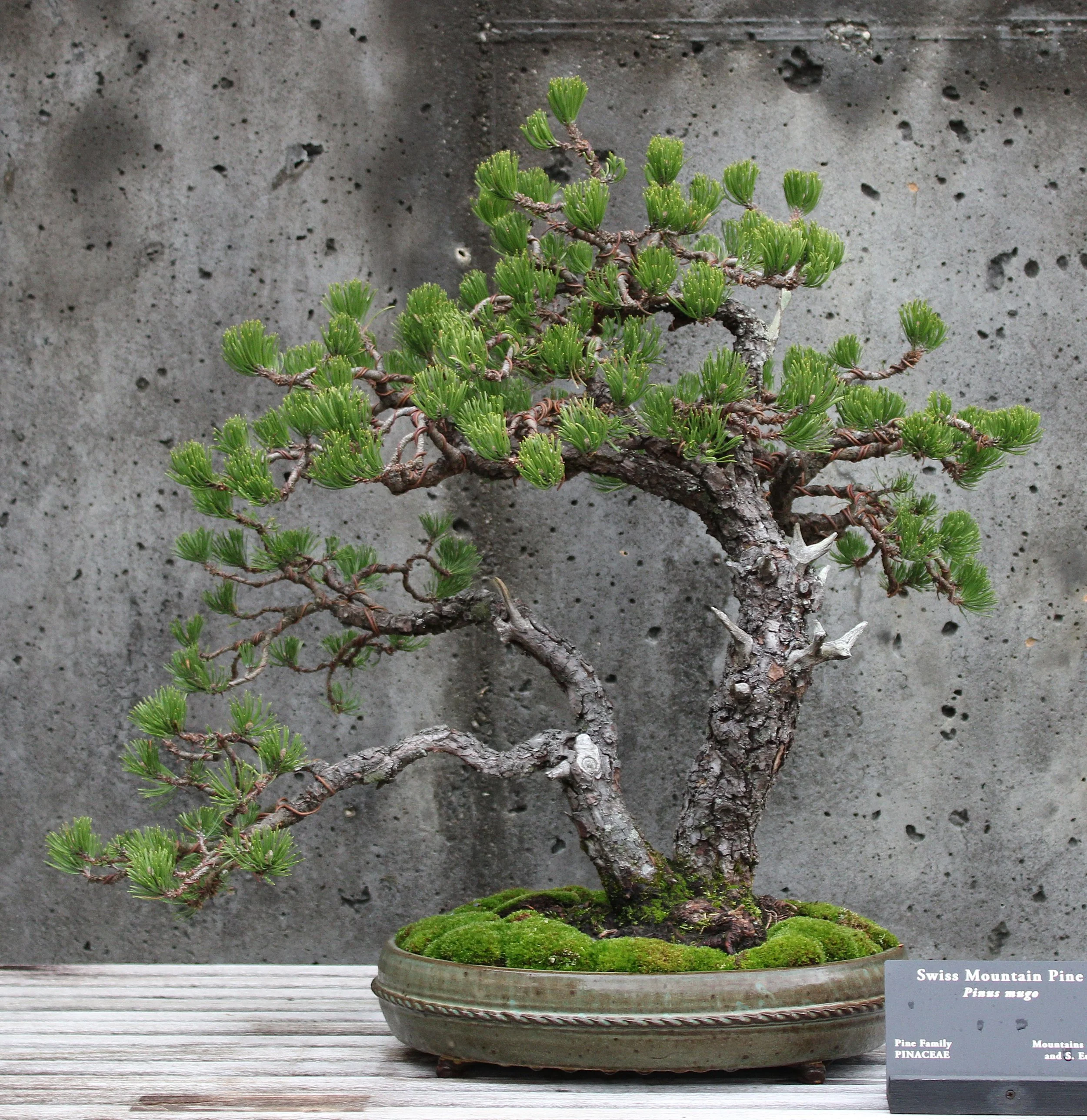
Swiss mountain pine, container by Sara Rayner

Trident maple, container by Robert Wallace
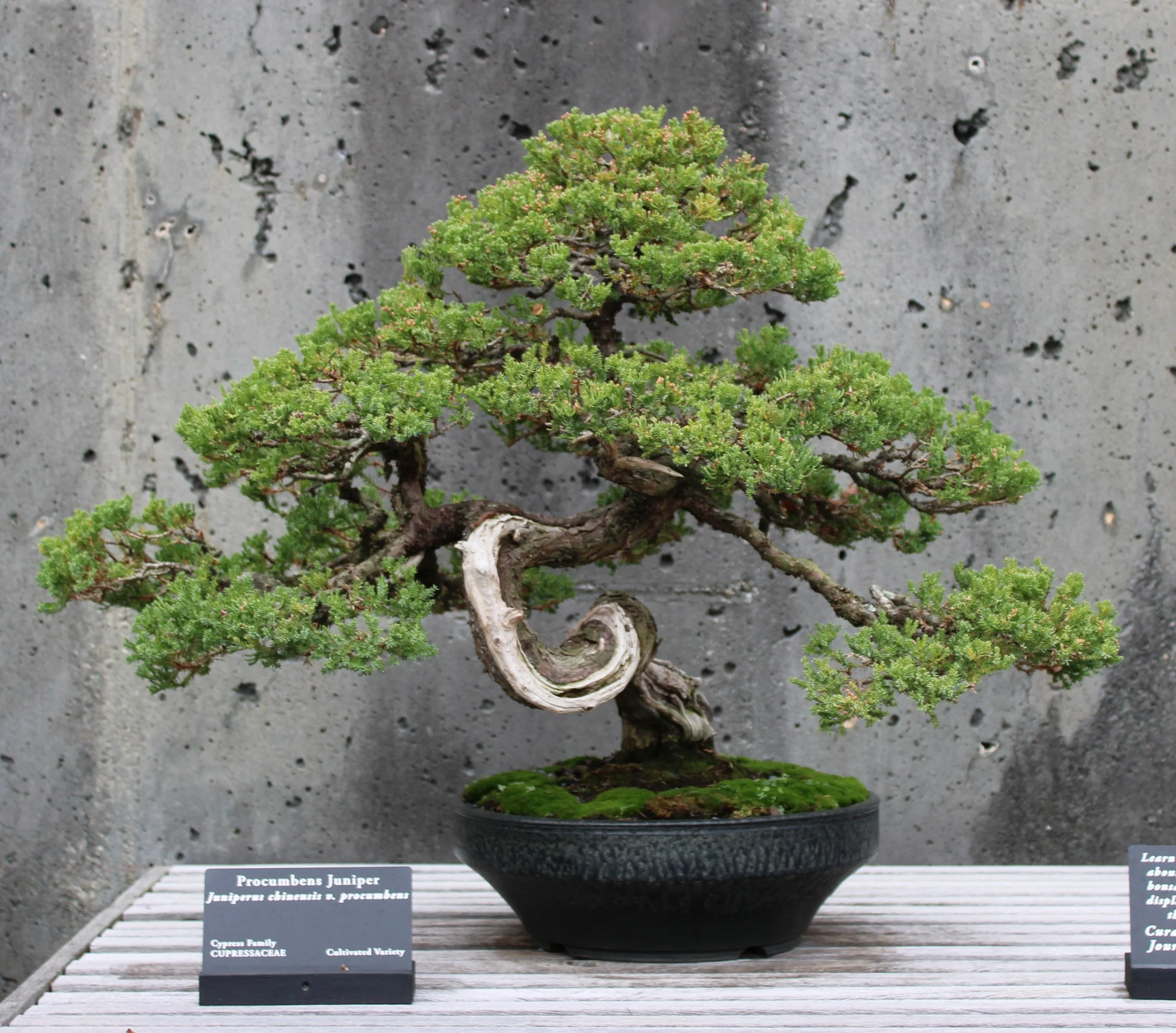
Procumbens juniper, container by Byron Myrick
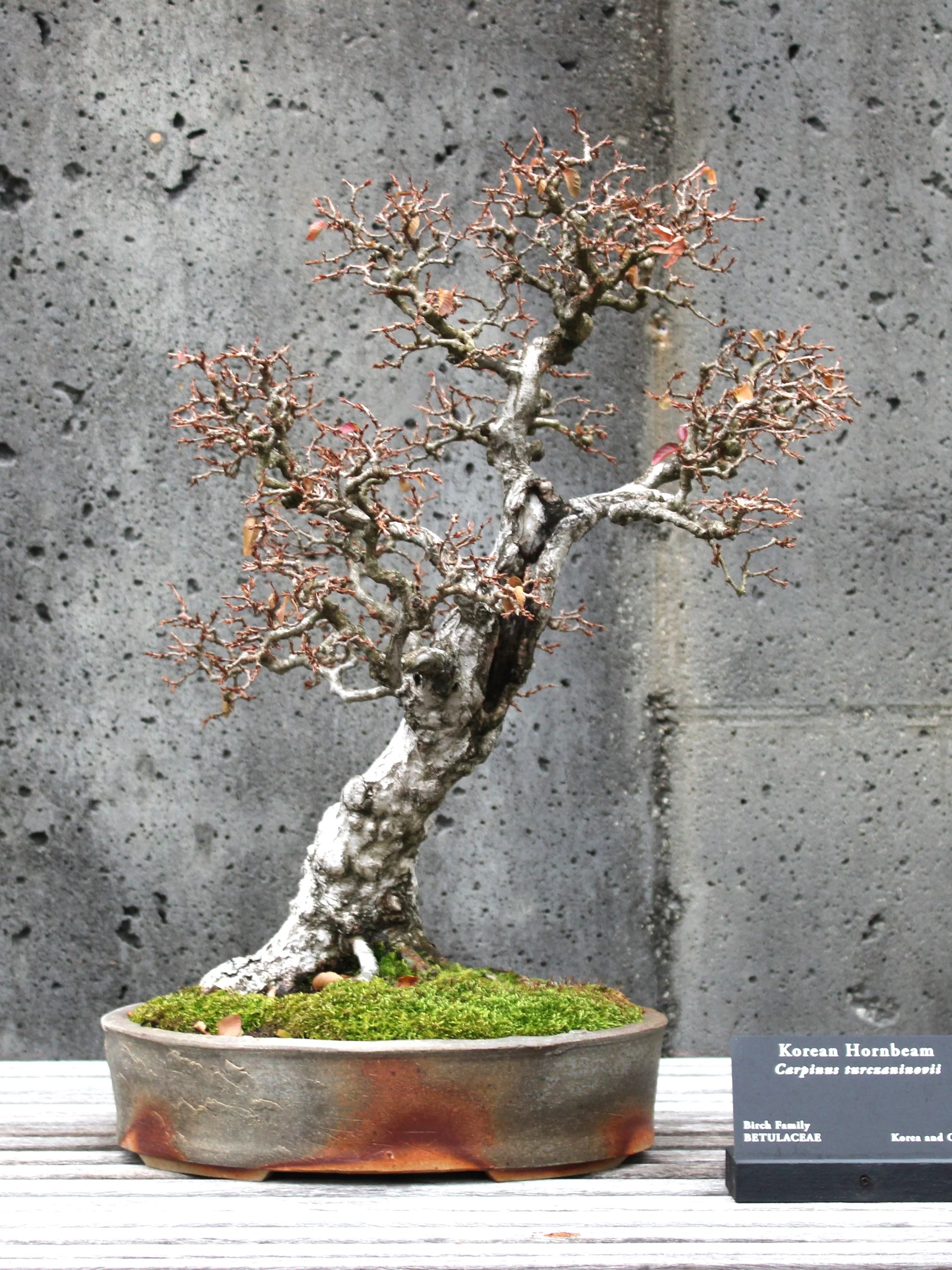
Korean hornbeam, container by Preston Tolbert
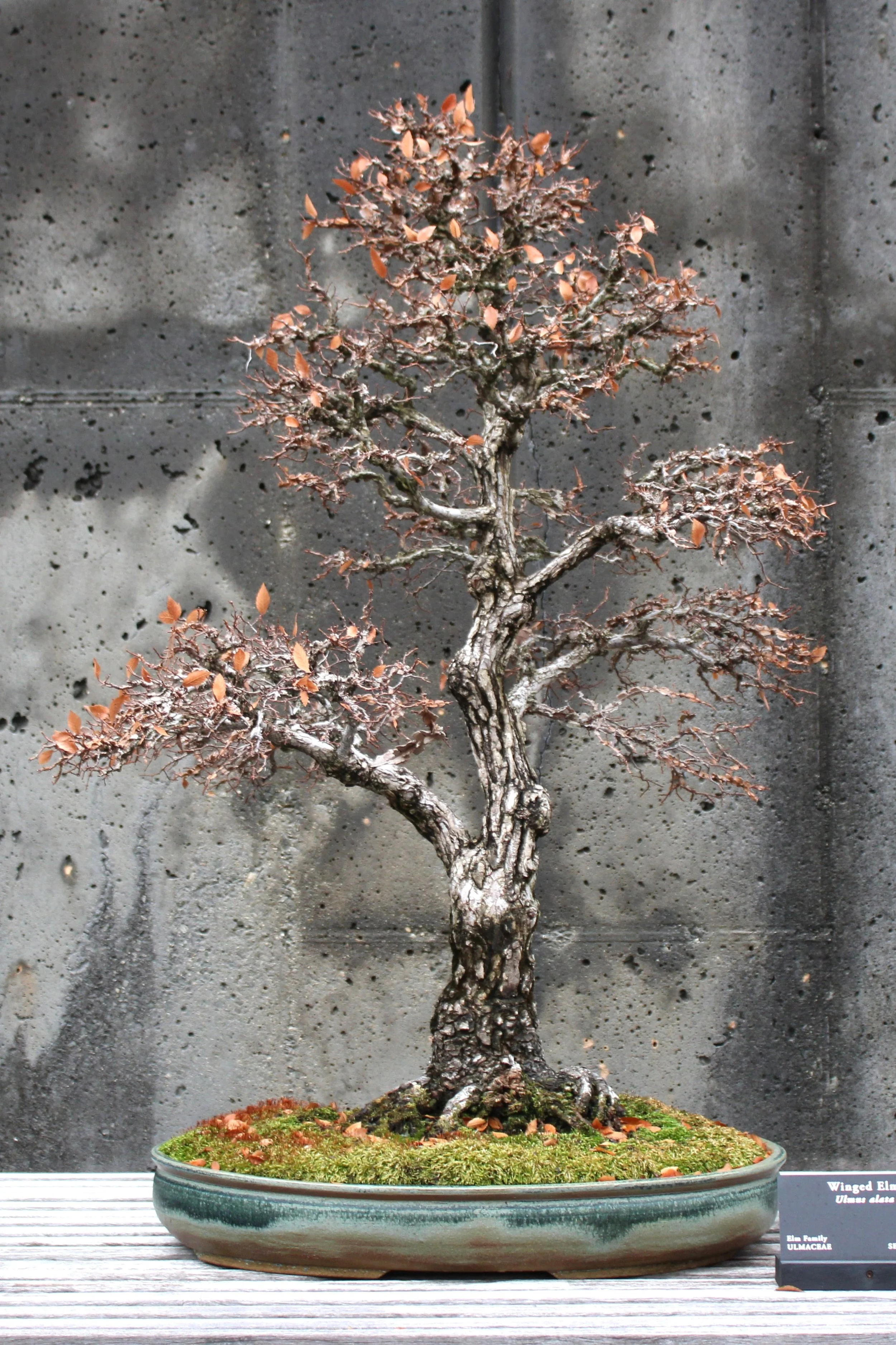
Winged elm, container by Robert Wallace
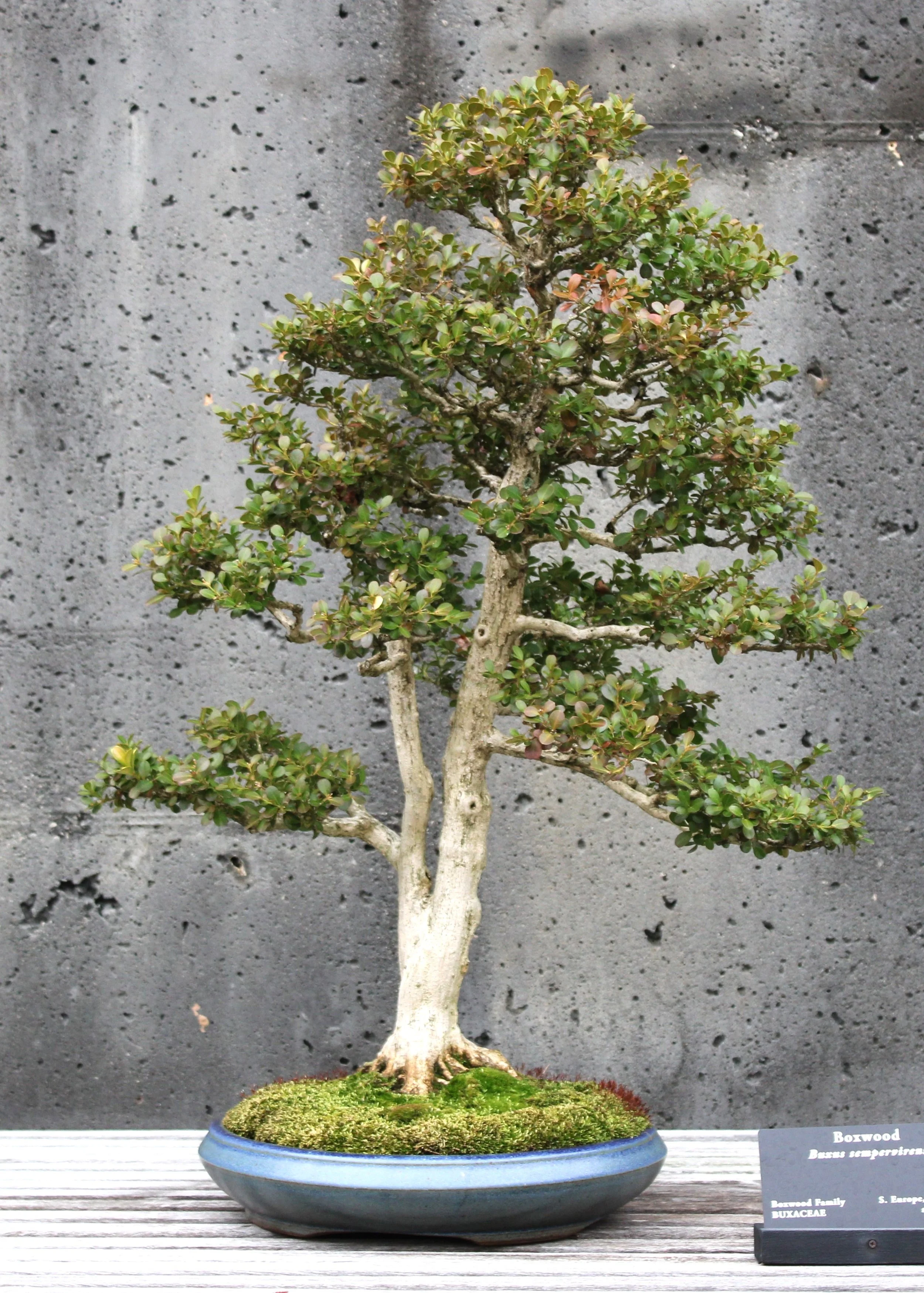
Common boxwood, container by Ron Lang
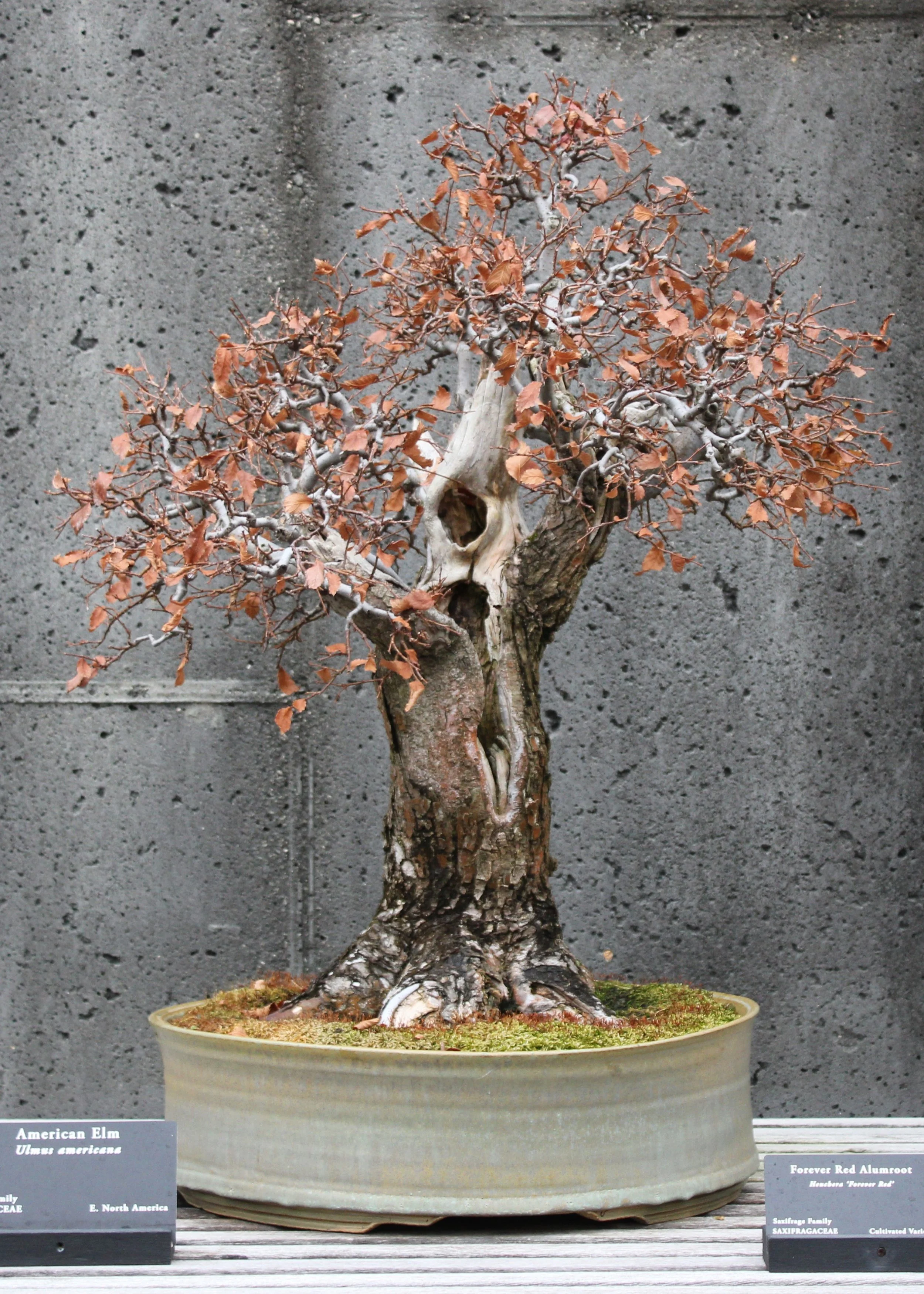
“El Arbol Murcielago” American elm, container by Eli Akins
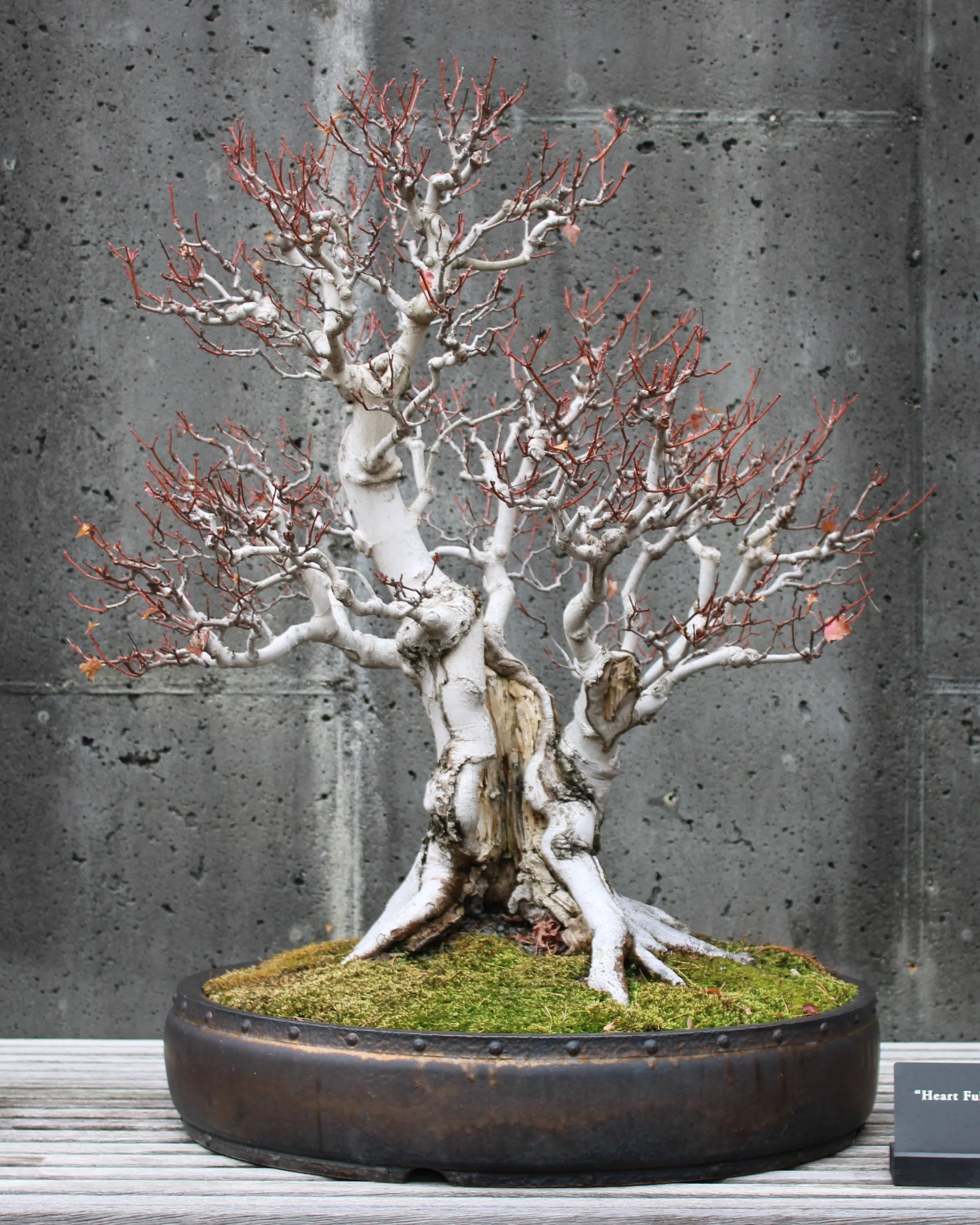
“Heart Full of Hollow” red maple, container by Ron Lang
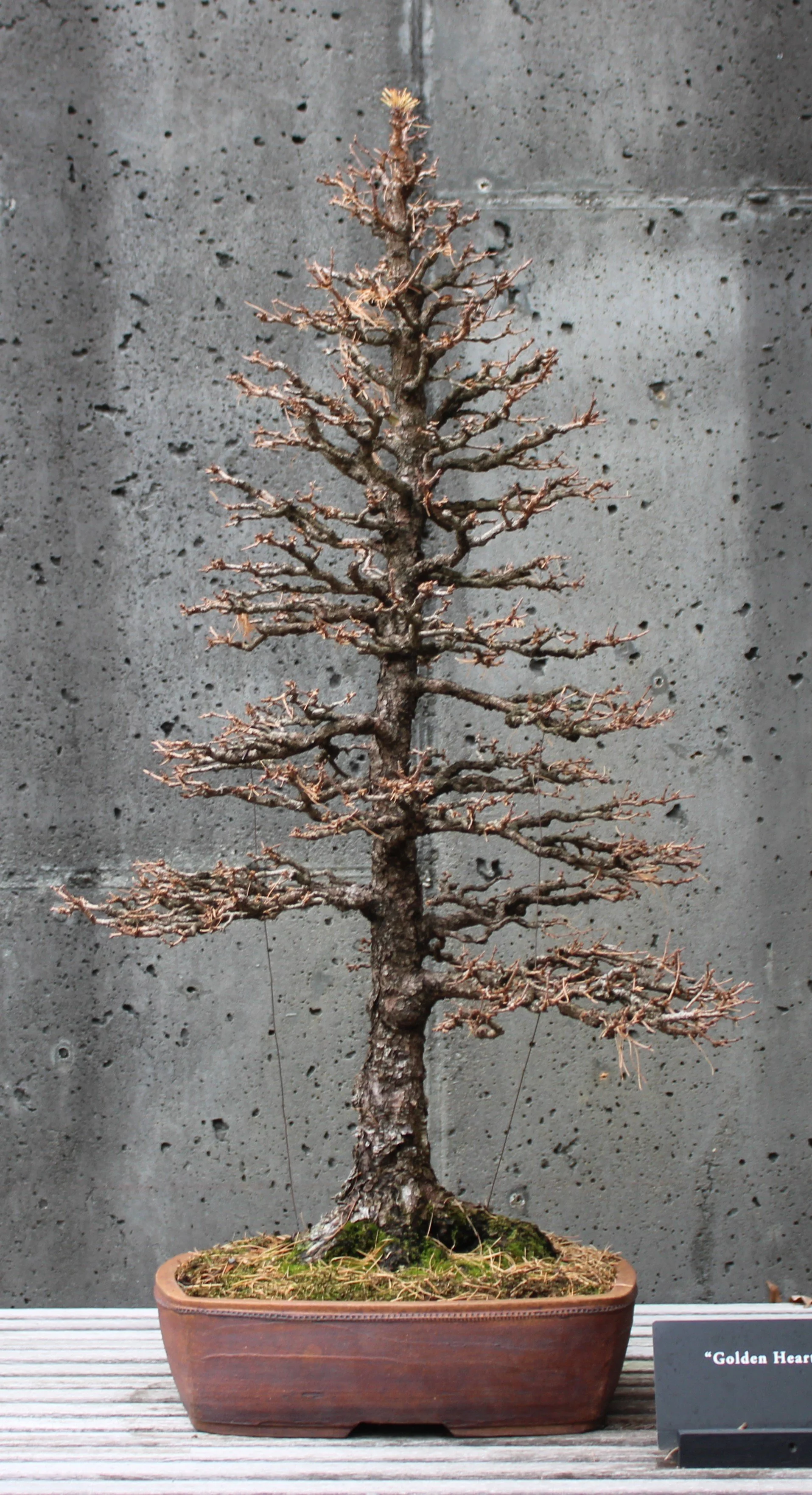
“Golden Heart” tamarack, container by Sara Rayner
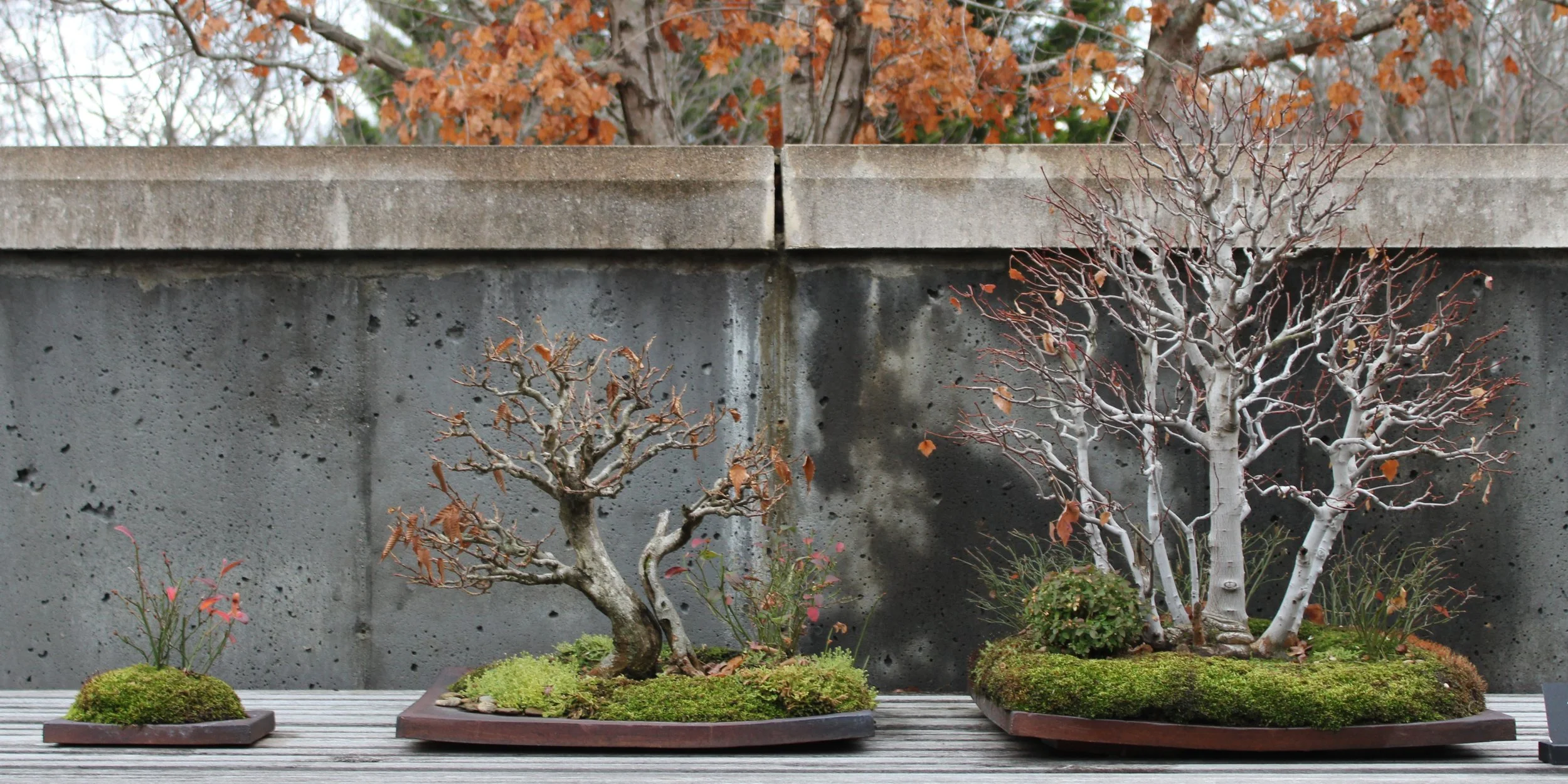
“Graveyard Fields” planting, slabs by Ron Lang
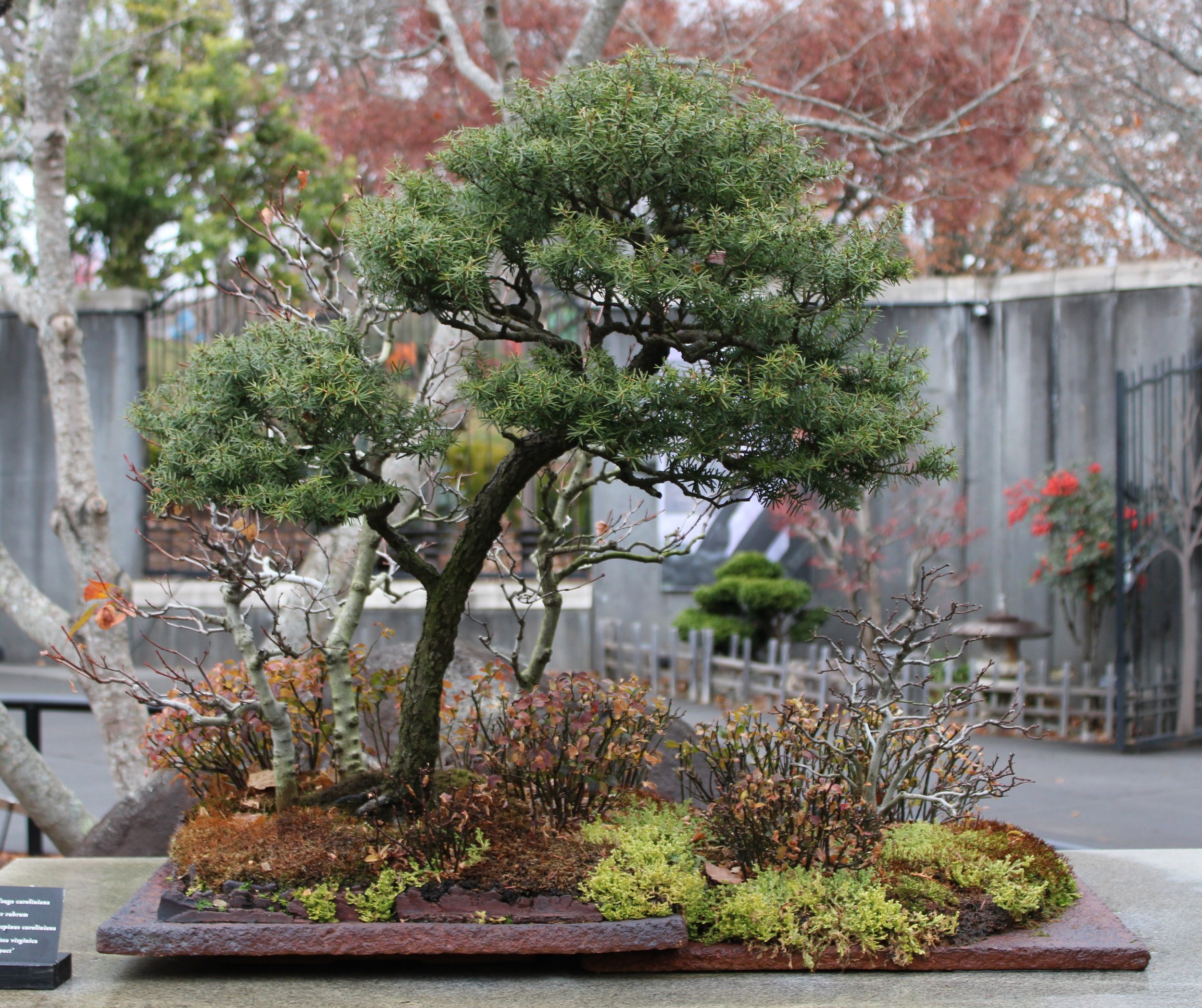
Carolina hemlock landscape, slabs by Ron Lang
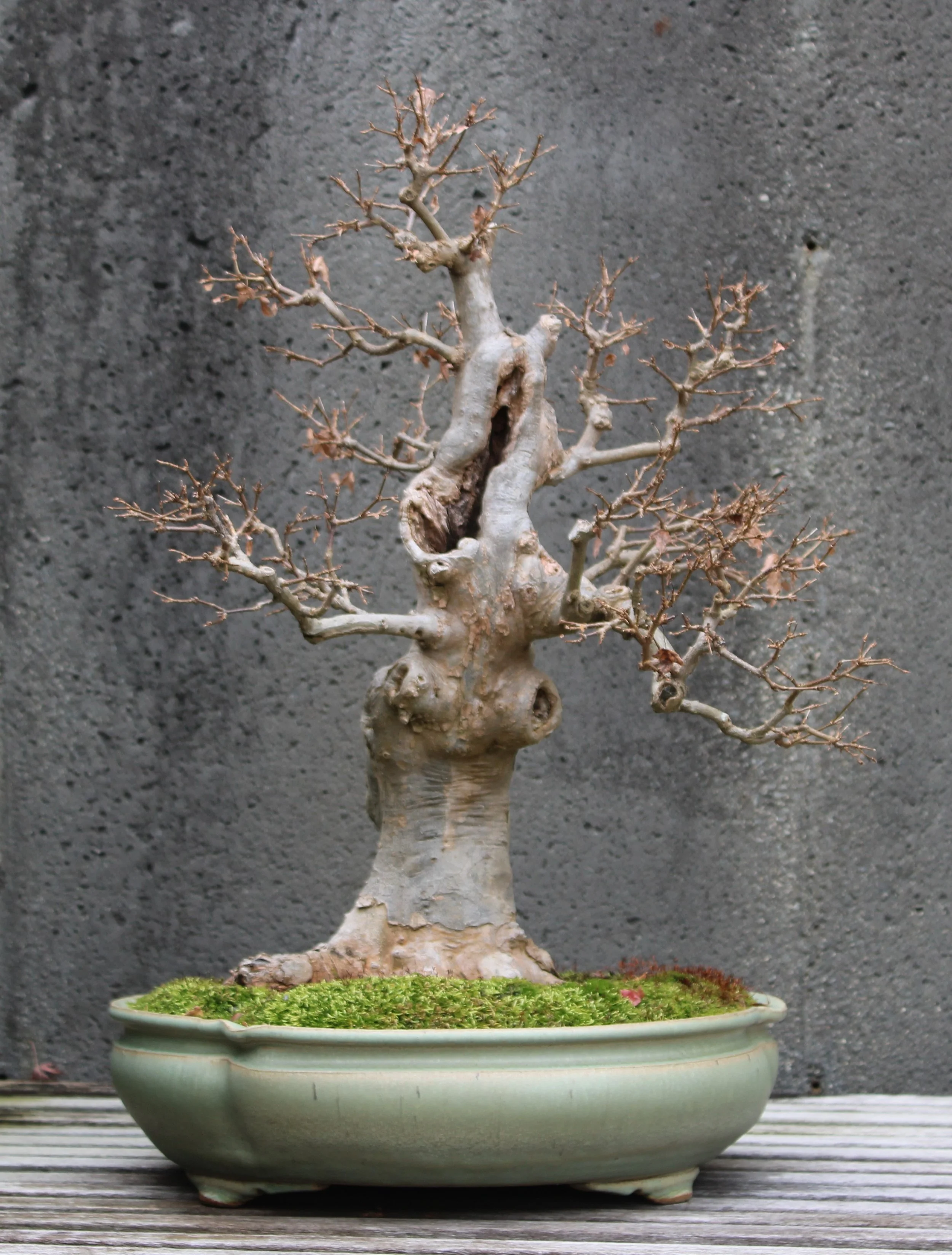
Trident maple, container by Robert Wallace
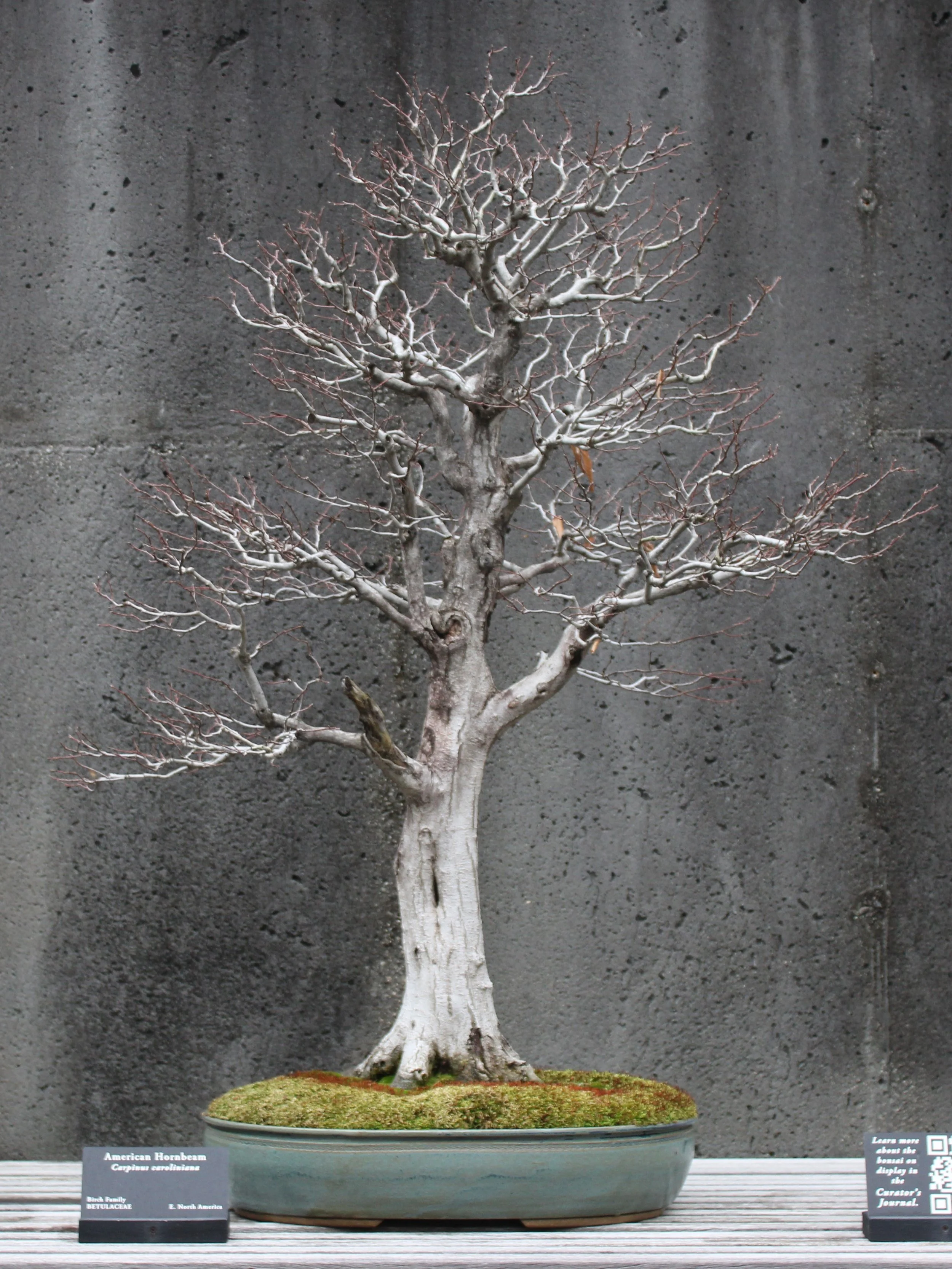
American hornbeam, container by Robert Wallace
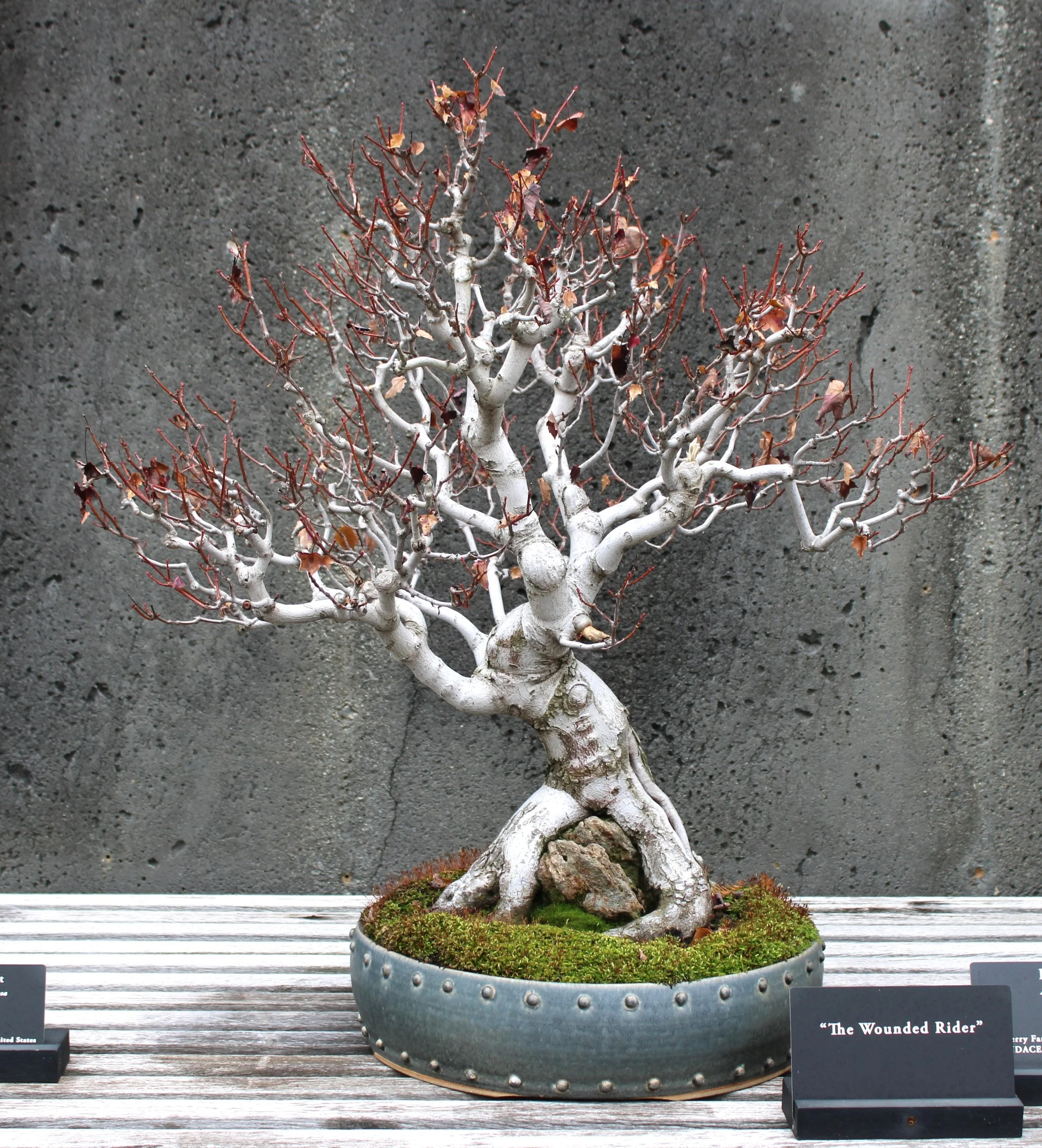
“The Wounded Rider” red maple, container by Charles Smith
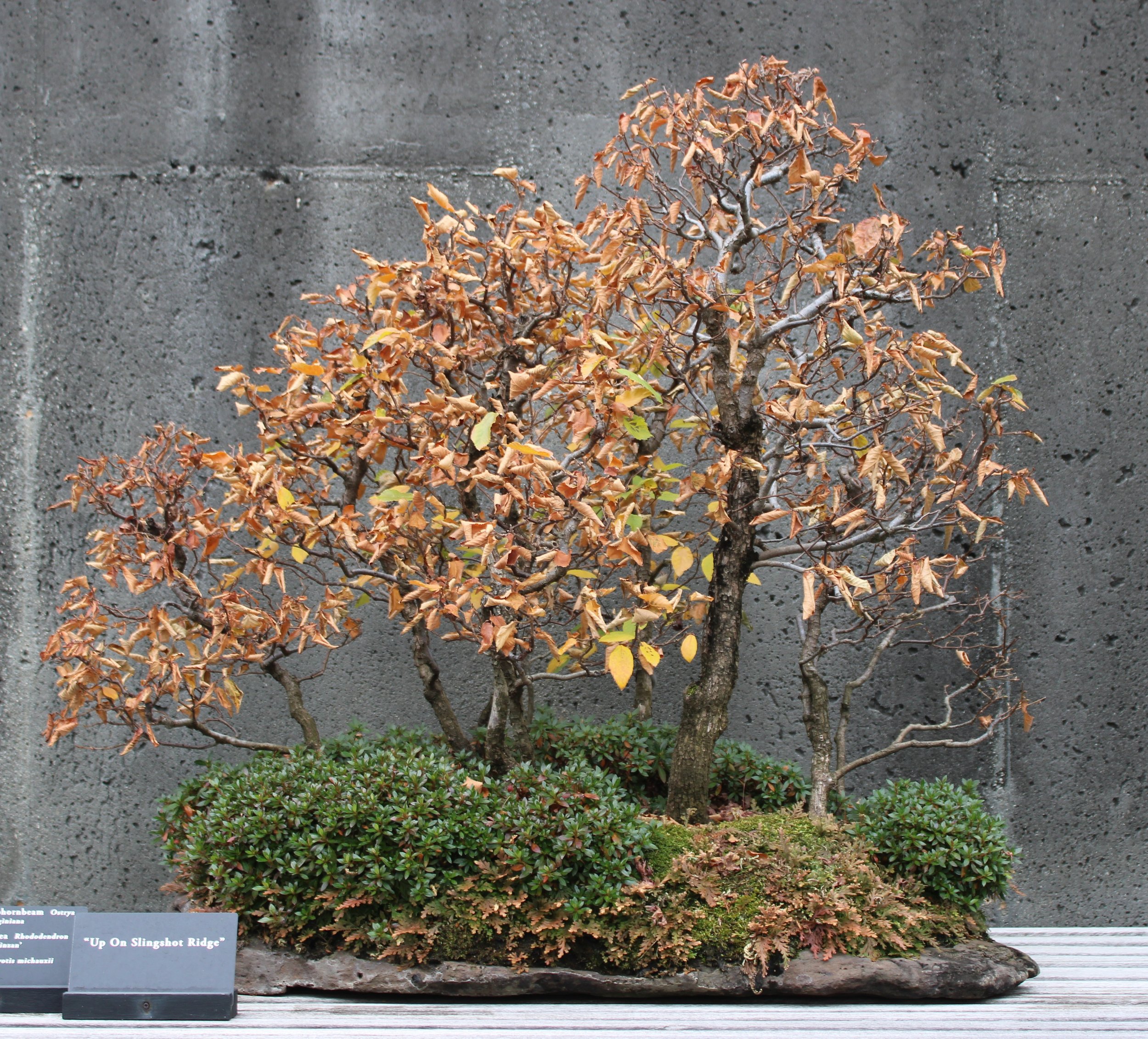
“Up On Slingshot Ridge”, American hop-hornbeam and dwarf azalea, natural stone slab
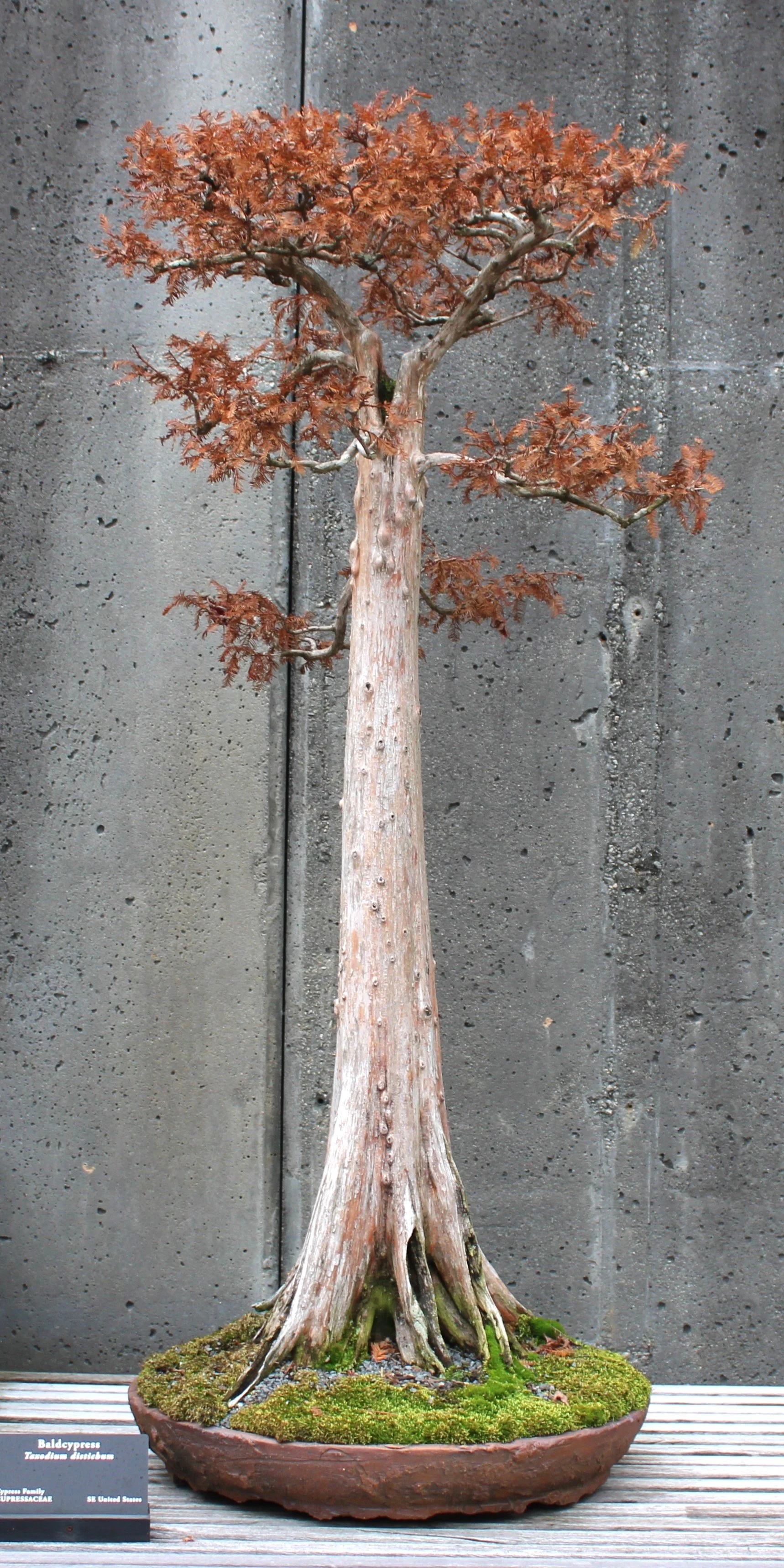
Baldcypress, container by Preston Tolbert
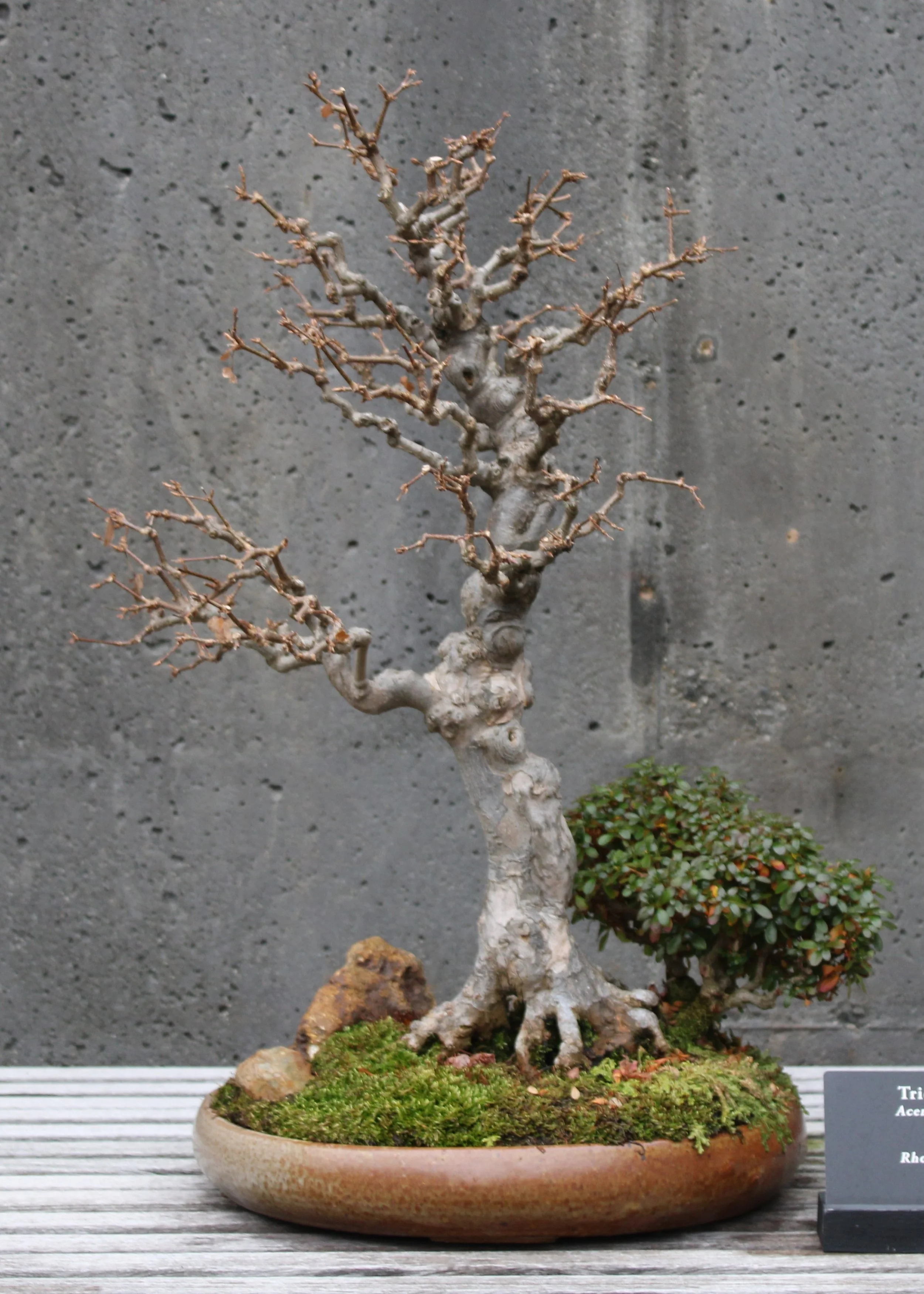
Trident maple, dwarf azalea, container by Tom Dimig
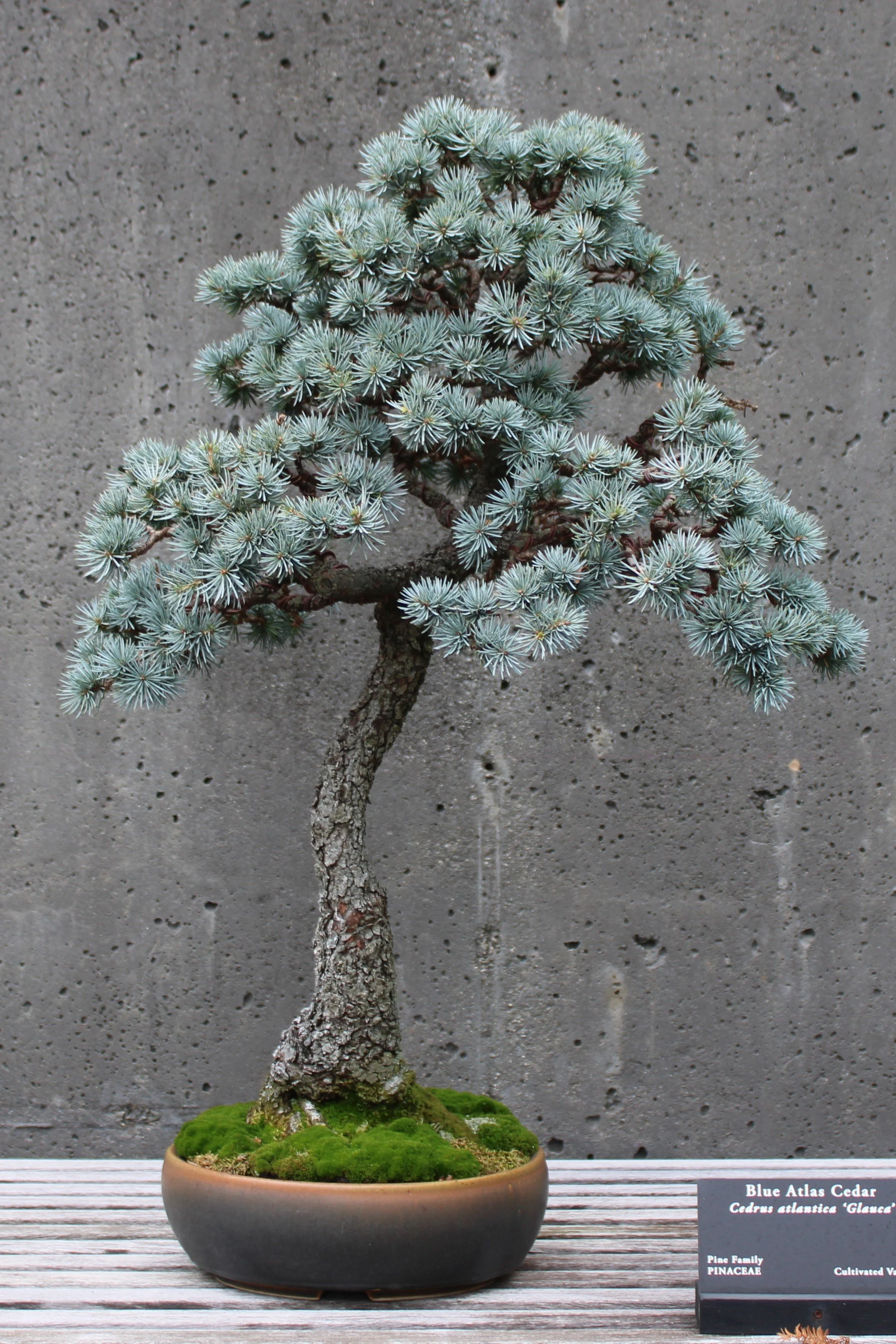
Blue Atlas cedar, container by Ross Adams
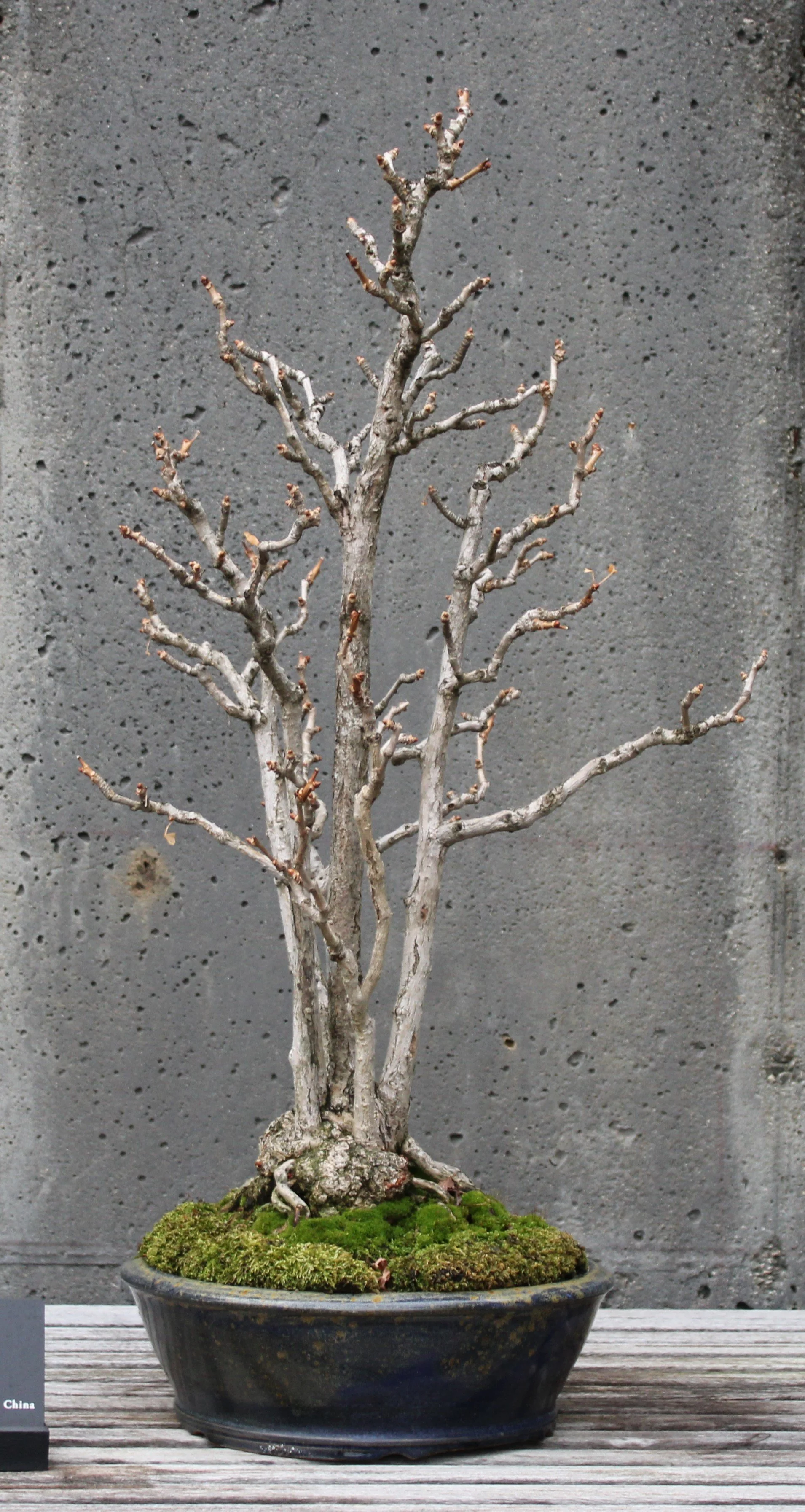
Ginkgo, container by Tom Dimig
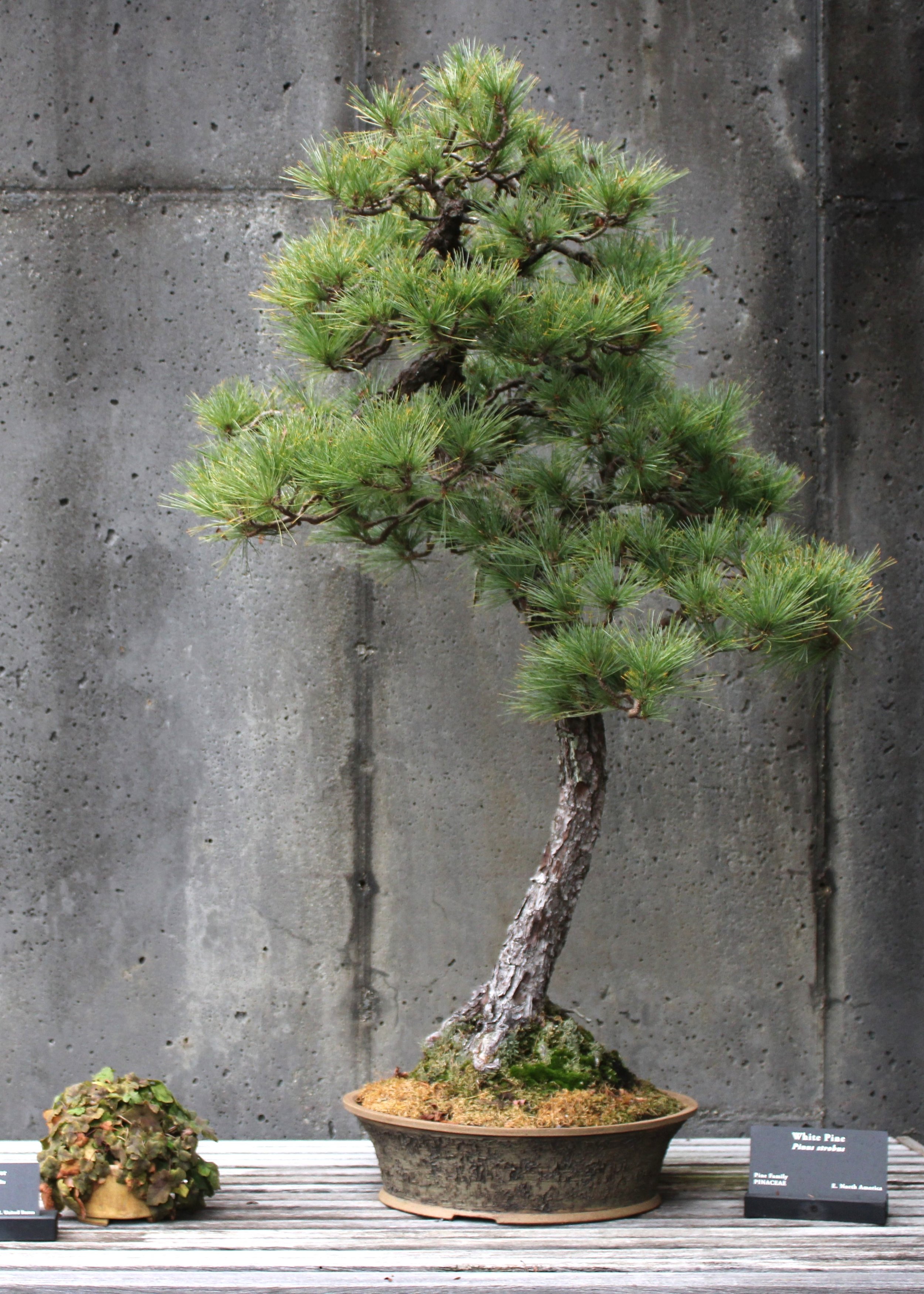
Eastern white pine, container by Robert Wallace
By Last Light
All things come to an end some day.
At least, that seems accepted wisdom. It might not be so true though,
more like a conventional assumption.
Closer examination of those things we call endings reveals they are,
more like pauses preceding a point of resumption.
This is a comforting idea.
Look at the seasons as an example. Right now is autumn's last,
and all about are the signs of ending.
The final faded shreds of summer's glory gathered up and burned,
days growing ever shorter and the nights extending.
What exactly is ending though?
A single season. Another follows, another after that,
perpetually until who knows when.
Linear thinking says there must be a beginning and a conclusion,
but the great circular path never comes to an end.
Winter steals in cold and silent.
Some seem to think the earth is dying. Yet life is still manifest,
with proof everywhere for those who see.
A soft heartbeat is a heartbeat still, and many are the pulses of life,
overlapping in eternal synchronicity.